

Waste Management and Diversion Services in Seattle, WA
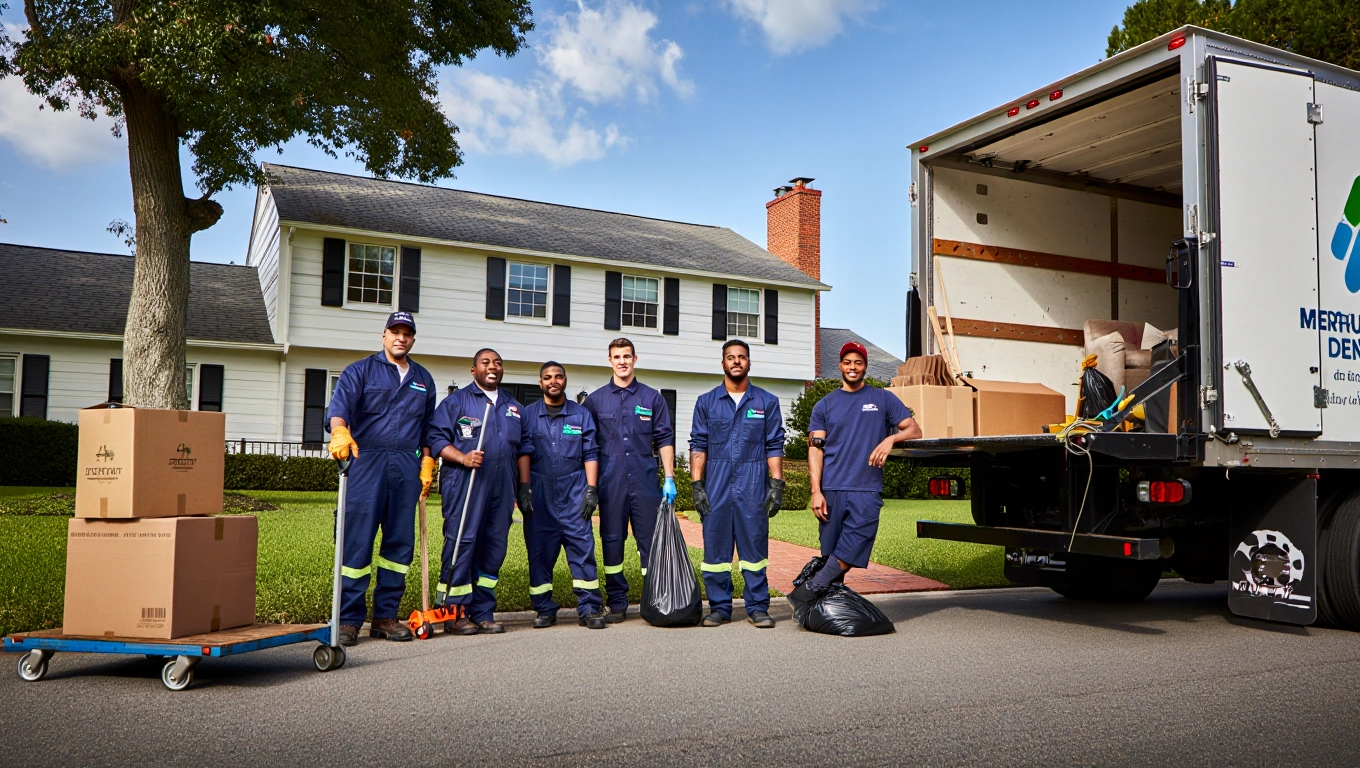
We serve as the strategic intermediary between your property and the national haulers, handling the physical, day-to-day logistics that keep your waste streams clean, compliant, and moving. From multi-family communities in Shoreline to commercial facilities in downtown Seattle, our Copia Resources services are built around flexible, month-to-month terms: no long-term contracts, no locked-in commitments. We earn your business by showing up and doing the work.
Seattle’s regulatory environment makes passive waste management costly. Under Seattle Municipal Code Section 21.36, commercial properties must separate recyclables and compostables from garbage, and contaminated loads carry penalties that compound quickly. Per Seattle’s 2024 Annual Solid Waste Report, the city’s daily waste generated per person declined to 5.21 pounds in 2024, down from 5.31 pounds in 2023, representing the lowest level since 2000. This represents a notable downward trend. At the same time, daily garbage thrown away per person rose to 2.68 pounds in 2024, up from 2.54 pounds in 2023, leaving the city off track to meet its 2030 target of 2.13 pounds per person per day. Landfill disposal trends are undercutting progress on waste generation.
For property managers, those numbers translate into a practical mandate: active onsite sorting and stream optimization are operational necessities, not optional upgrades. Understanding how to improve waste diversion rates and knowing what can be recycled are the starting points, but execution requires boots on the ground.
Multi-Family Properties: Volume Targets and Compliance
Seattle Public Utilities recommends a weekly waste volume of 0.15 cubic yards per dwelling unit for uncompacted garbage and recycling. When compaction systems are in use, that target drops to 0.05 cubic yards per unit: a 67% reduction in collection volume (SPU’s multi-family properties guide). For communities with high tenant turnover and strict municipal waste bans, staying within these thresholds requires active onsite management, not just scheduled pickups. Copia’s multi-family waste solutions are designed specifically to keep high-density properties within these volume guidelines while maintaining clean, accessible common areas.
Schedule a Waste Infrastructure Audit
Unpredictable municipal penalties and overage charges are a symptom of unmanaged waste streams, not an inevitability. Copia’s property waste optimization service begins with a thorough audit of your trash rooms, chute systems, and compactor staging, and ends with a clear plan to eliminate contamination risks and overage fees. This commitment is backed by the CR Guarantee.
Our Onsite Waste Management and Diversion Services
Standard haulers provide containers and collection schedules. We handle the rest. Copia provides everything in between: the sorting, the staging, the cleaning, and the compliance work that keeps your property running without disruption. Our services are designed for properties that need more than a pickup window; they need a partner who understands the operational reality of dense urban and suburban waste management in King and Snohomish Counties.
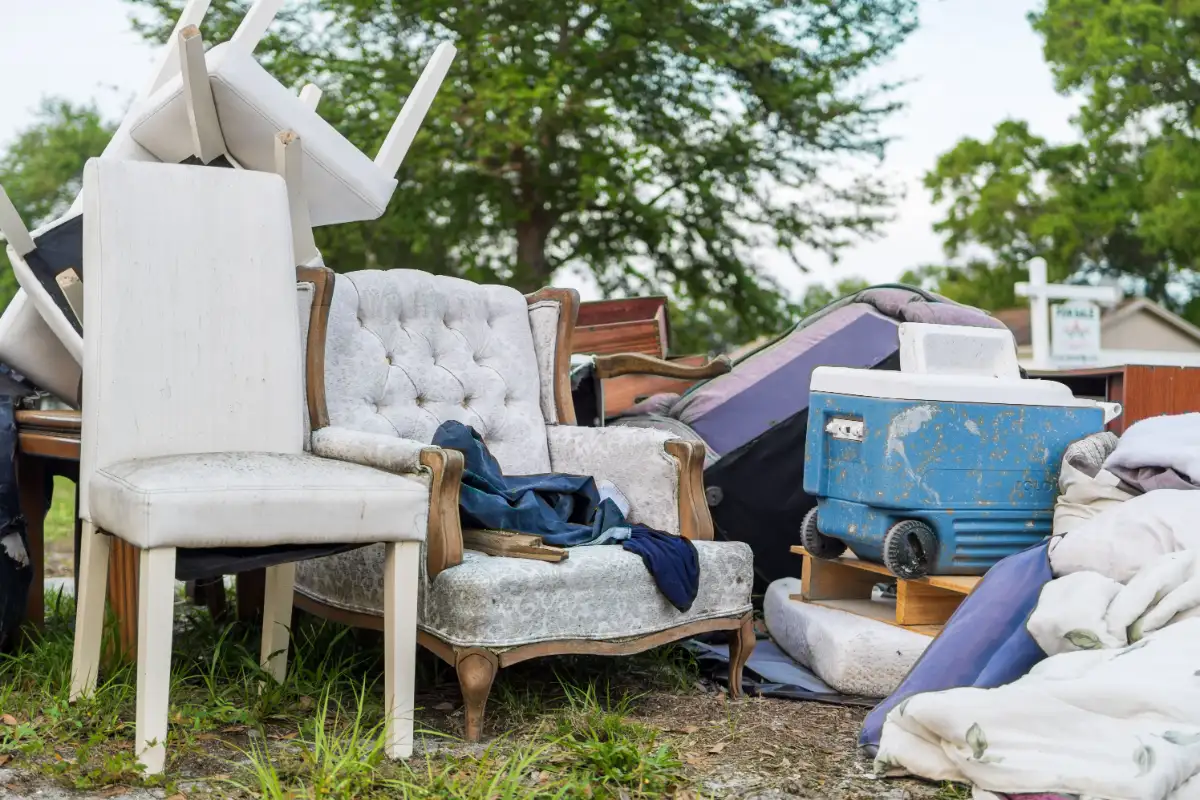
Specialized Solutions for Seattle Properties
- Trash Chute Unclogging: Rapid-response clearing of blockages to restore trash room functionality and prevent tenant backup complaints.
- Compactor Bin Staging: Active push and pull services and staging of heavy compactor bins to ensure efficient collection by municipal haulers.
- Onsite Waste Sorting: Manual sorting of compostables, recyclables, and landfill waste to eliminate contamination before haulers arrive.
- Odor Remediation & Power Washing: Deep cleaning of trash rooms, chutes, and enclosures to maintain curb appeal and eliminate pests.
Navigating Seattle’s Strict Waste Regulations
Seattle’s compliance framework is layered and exacting for properties that are not actively managing their streams. Seattle Municipal Code Section 21.36 requires commercial recycling and composting, with penalties for non-compliance enforced by Seattle Public Utilities. At the state level, Washington’s House Bill 2301 mandates statewide food and yard waste collection by 2030, while House Bill 1185 phases out mercury-containing bulbs by 2029. Both requirements reinforce the urgency of building proactive onsite systems now rather than reacting to enforcement later.
Food waste is the most pressing stream. Seattle residents and businesses disposed of approximately 50,396 tons of food waste in 2024, accounting for 19% of all landfilled waste, per Seattle’s 2024 Annual Solid Waste Report. Copia’s custom diversion programs target compostable organics directly, keeping food waste out of the landfill stream and reducing the methane emissions that make it one of the most damaging waste categories for regional climate goals.
Dealing with a clogged chute, overflowing bins, or a municipal warning notice?
Our chute unclogging services and rapid-response team cover the Seattle metro area. Call 877-937-2750 for immediate assistance.
The Operational Gap in Standard Hauling Services
Recology and Waste Management of Seattle operate on a direct B2B model: containers get emptied when they are staged and accessible at the curb or alley. That works well for single-family homes. For multi-family and commercial properties in dense Seattle neighborhoods, where the Clear Alleys Program prohibits outdoor dumpster storage in areas like Belltown, Downtown, Pioneer Square, and the International District, it creates a significant operational gap.
Someone has to manage what happens inside the building: cleaning the trash room, clearing the chute blockage, sorting the contaminated recycling bin, and physically moving a compactor to the alley before the hauler’s window closes. National haulers do not provide those services. Property maintenance teams are overextended across competing priorities. Copia fills that gap with a dedicated, scheduled onsite presence calibrated to your property’s specific waste volume and collection rhythm.
Why Seattle Properties Partner with Copia Resources
- Boots-on-the-Ground Presence: We handle the physical, demanding work, including sorting, staging, and cleaning, so your maintenance team can focus on resident satisfaction.
- The CR Guarantee: We take responsibility for eliminating overage and contamination fees, turning unpredictable municipal penalties into a foreseeable, managed cost.
- No Long-Term Contracts: We operate on flexible, month-to-month terms, earning your business month after month through demonstrated operational excellence.
- Green Business Certified: Our programs align with Pacific Northwest environmental standards, helping your property contribute to a circular economy.
Where Your Waste Goes: Seattle’s Regional Logistics
Once collected, Seattle’s municipal solid waste does not stay local. It travels far. Per EPA’s Seattle waste case study, it is rail-hauled 257 miles south to the Columbia Ridge Landfill in Arlington, Oregon. That distance carries real environmental and financial weight: every ton diverted from the landfill stream reduces the volume making that journey, lowering both carbon output and the long-term cost of collection. Onsite compaction reduces the number of hauler trips required, and active sorting shifts material from expensive garbage bins into free recycling and affordable compost streams before it ever leaves the building.
Regional development history highlights why active waste management matters across the Puget Sound area. The Riverfront Everett development sits on the former Everett Landfill site, which operated for decades before closure. Redeveloping that land required active management of landfill gas, primarily methane, through underground collection systems, indoor sensors, and ventilation infrastructure to ensure safe occupancy for residents. That scale of remediation is a direct consequence of decades of unmanaged waste disposal. Copia’s diversion programs are designed to prevent that kind of legacy from accumulating at the property level, one sorted bin at a time.

Addressing Multi-Family Operational Challenges in Shoreline
Shoreline’s transit-oriented development corridor has added significant multi-family density to the northern edge of the Seattle metro, and the waste management challenges that come with high-density living scale proportionally. This density brings friction. Rapid chute clogging, overflowing dumpster enclosures during peak move-in and move-out periods, and recycling contamination from tenants unfamiliar with local sorting requirements are chronic operational friction points for property managers in this area. These issues compound quickly.
Canopy Apartments in Shoreline, WA represents the type of high-density community where Copia’s tailored site waste solutions are most impactful, though specific operational metrics and diversion rates for that property are not available for publication. What holds across suburban King County properties of this type is that curb appeal and tenant retention are directly tied to how well trash rooms and chute systems are maintained. Copia’s scheduled onsite presence addresses those systems before they become complaints.
The Financial Impact of Waste Stream Optimization
Under Seattle Public Utilities’ rate structure, garbage collection is expensive, compost collection is affordable, and recycling collection is provided at no charge (SPU’s multi-family properties guide). That pricing structure creates a direct financial incentive for active onsite sorting: every pound of food waste diverted to compost and every clean cardboard box routed to recycling reduces the volume in your most expensive bin. For properties managing dozens or hundreds of units, those shifts accrue into measurable monthly savings on utility bills. The savings add up.
Dumpster compactors amplify those savings by reducing collection frequency, but they require consistent professional maintenance to stay operational. A compactor that goes down during a high-volume period generates overflow, tenant complaints, and emergency service costs that far exceed the cost of routine upkeep. Downtime is costly. Commercial waste overage fees and municipal contamination fine amounts vary, but the pattern is consistent: properties without active management pay more, in fees and in deferred maintenance. Copia’s compactor maintenance and staging services keep that equipment running and your collection schedule predictable.
A Consultative Partnership for Puget Sound Properties
Copia’s engagement begins with a thorough evaluation of your property’s waste flow: trash room layouts, chute conditions, compactor staging logistics, and current stream contamination rates. That assessment drives a custom service plan, not a generic package. We build it for you. Ann Delapenha, Vice President of Operations, and Brenda Arevalo, Senior Sustainability Coordinator, bring years of hands-on field experience to that process, and the perspective that comes from doing the work directly, not just overseeing it.
Brenda Arevalo describes it this way:
“A core memory that has made the biggest impact for me was getting hands-on with back-of-house sorting and seeing our team in action. Experiencing it firsthand gave me a whole new perspective on the work we do. It reminded me that sustainability isn’t just a goal; it’s something we build together, one step at a time. I’m truly grateful for the opportunity and for the company’s support in helping me learn and grow through real, hands-on experience.
I’m excited to keep learning and passing forward what I’ve gained with our amazing Sustainability team. It’s empowering to work for a company that invests in both sustainability and its people.”
That hands-on, team-driven approach is what allows Copia to deliver solutions that hold up under the daily operational pressure of real properties, not just on paper.
Frequently Asked Questions
Who provides the primary garbage collection service in Seattle?
Seattle Public Utilities (SPU) manages municipal solid waste collection by contracting with private haulers. SPU divides the city into distinct service zones, contracting with Recology for Central and Northeast Seattle, and with Waste Management of Seattle for South and Northwest Seattle (SPU’s multi-family properties guide). Copia Resources does not replace these haulers; instead, we act as the onsite operational partner that manages your waste streams internally and stages your bins so these haulers can collect them efficiently. We work alongside them.
What is the difference between municipal solid waste and construction debris in Seattle?
Under Seattle’s regulatory framework, municipal solid waste (MSW) includes all garbage, recyclable materials, and compostable organic materials collected from residential, commercial, and self-haul sectors. It explicitly excludes construction and demolition (C&D) debris hauled to third-party facilities, which is subject to different disposal and diversion targets (Seattle’s 2024 Annual Solid Waste Report). Copia Resources specializes in managing and optimizing daily MSW streams for commercial and multi-family properties.
How do Washington’s state waste mandates affect commercial properties in Seattle?
State legislation, including House Bill 1185 and House Bill 2301, imposes strict long-term operational mandates, such as the phase-out of mercury-containing bulbs by 2029 and the requirement for statewide food and yard waste collection by 2030 (Seattle’s 2024 Annual Solid Waste Report). These state-level mandates reinforce Seattle’s local ordinances, making active onsite waste diversion and sorting programs operational necessities for commercial properties.
Why is self-haul waste disposal a major topic of discussion in regional waste planning?
Self-haul waste at city transfer stations accounted for a third of Seattle’s landfilled MSW in 2024, despite representing less than a quarter of overall waste generation (Seattle’s 2024 Annual Solid Waste Report). This high volume has led local advisory bodies to evaluate rate adjustments to discourage landfilling. For commercial properties, partnering with an onsite management service like Copia eliminates the need for costly self-haul trips by optimizing your regular scheduled collections.
How does the closure of local recycling facilities impact Seattle’s waste stream?
The vulnerability of local recycling markets was highlighted by the closure of Ardagh Glass Packaging in July 2024, which eliminated the local market for recycled glass and forced the city to navigate new market challenges (Seattle’s 2024 Annual Solid Waste Report). Because local markets fluctuate, having an active onsite sorting partner ensures your materials are sorted with maximum cleanliness, making them highly viable for processors and protecting your property from contamination penalties.
Get a Custom Waste Assessment for Your Seattle Property
Copia Resources handles the physical, daily logistics of your trash rooms, chutes, and compactors; this is the work that keeps your property clean, compliant, and free from unexpected penalties. Our property waste optimization service starts with a no-obligation assessment of your current waste infrastructure, and our month-to-month terms mean you are never locked into a contract that does not deliver. If you cannot find your specific service or location on this page, call our Seattle operations team directly for a tailored routing recommendation. We are ready to help.
Copia Resources is committed to keeping Seattle and Puget Sound properties clean, compliant, and operationally sound: every day, not just on collection day.