

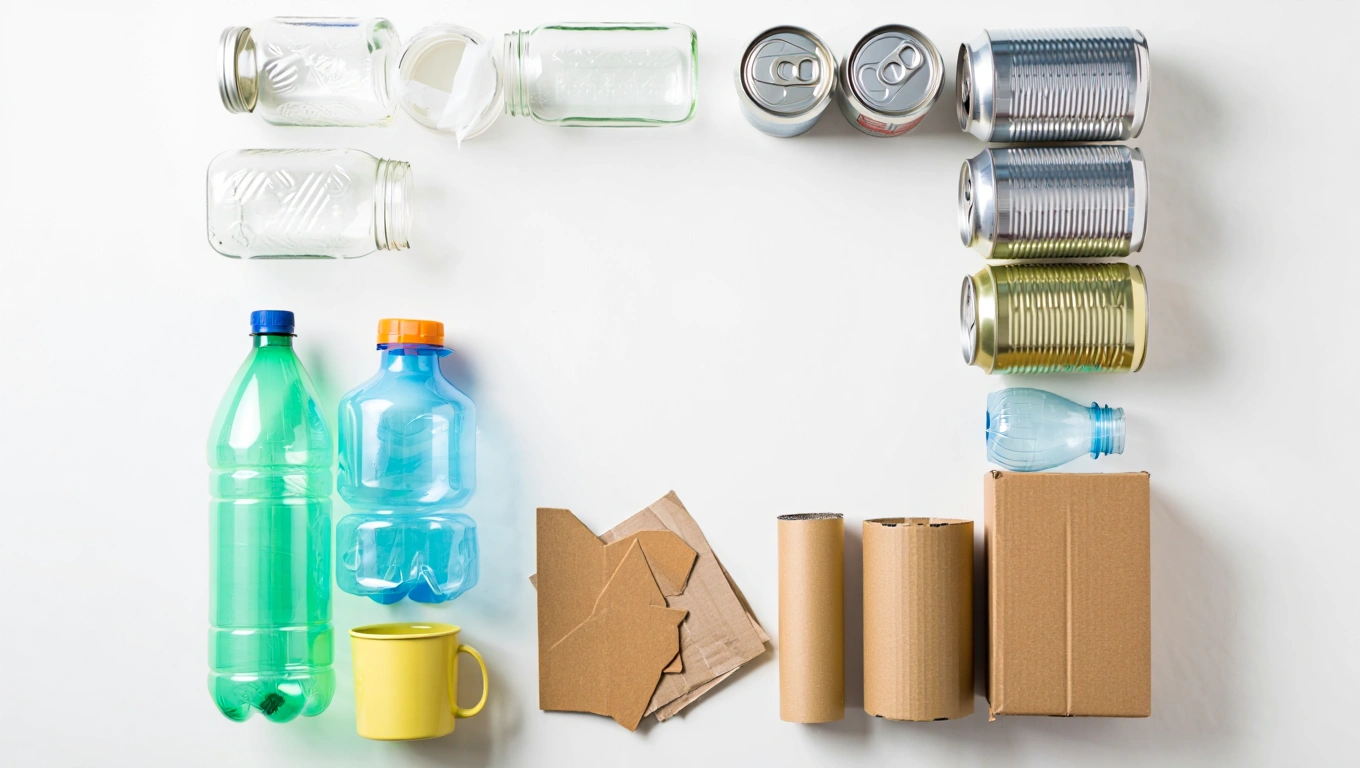
Recycling is no longer a niche sustainability effort. It is standard business practice, a community expectation, and an environmental responsibility. In this comprehensive recycling guide for 2026, we break down what can be recycled, how to do it correctly, and how organizations can build smarter, more efficient waste programs. Whether you manage a commercial property, operate a manufacturing facility, or oversee a multifamily community, understanding modern recycling standards can help reduce contamination, cut costs, and improve operational efficiency.
Why Recycling Matters More Than Ever in 2026
Recycling continues to evolve. Advancements in sorting technology, growing corporate sustainability commitments, and stricter landfill regulations have changed how materials are processed and valued. At the same time, rising disposal costs and environmental concerns make effective recycling programs a smart business decision.
Key benefits of recycling include:
• Reducing landfill waste and extending landfill lifespan
• Conserving natural resources such as timber, water, and minerals
• Lowering greenhouse gas emissions
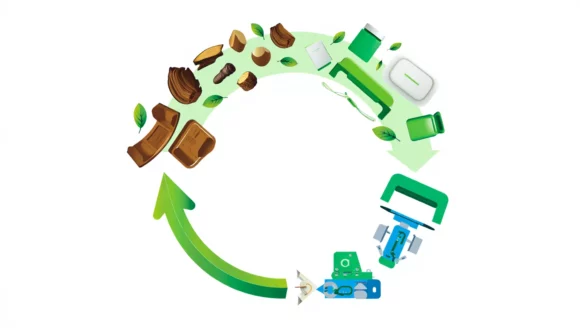
• Supporting circular economy initiatives
• Reducing waste hauling and disposal expenses
• Enhancing brand reputation and ESG performance
When recycling programs are well designed and managed, they become a practical solution for both environmental stewardship and operational efficiency.
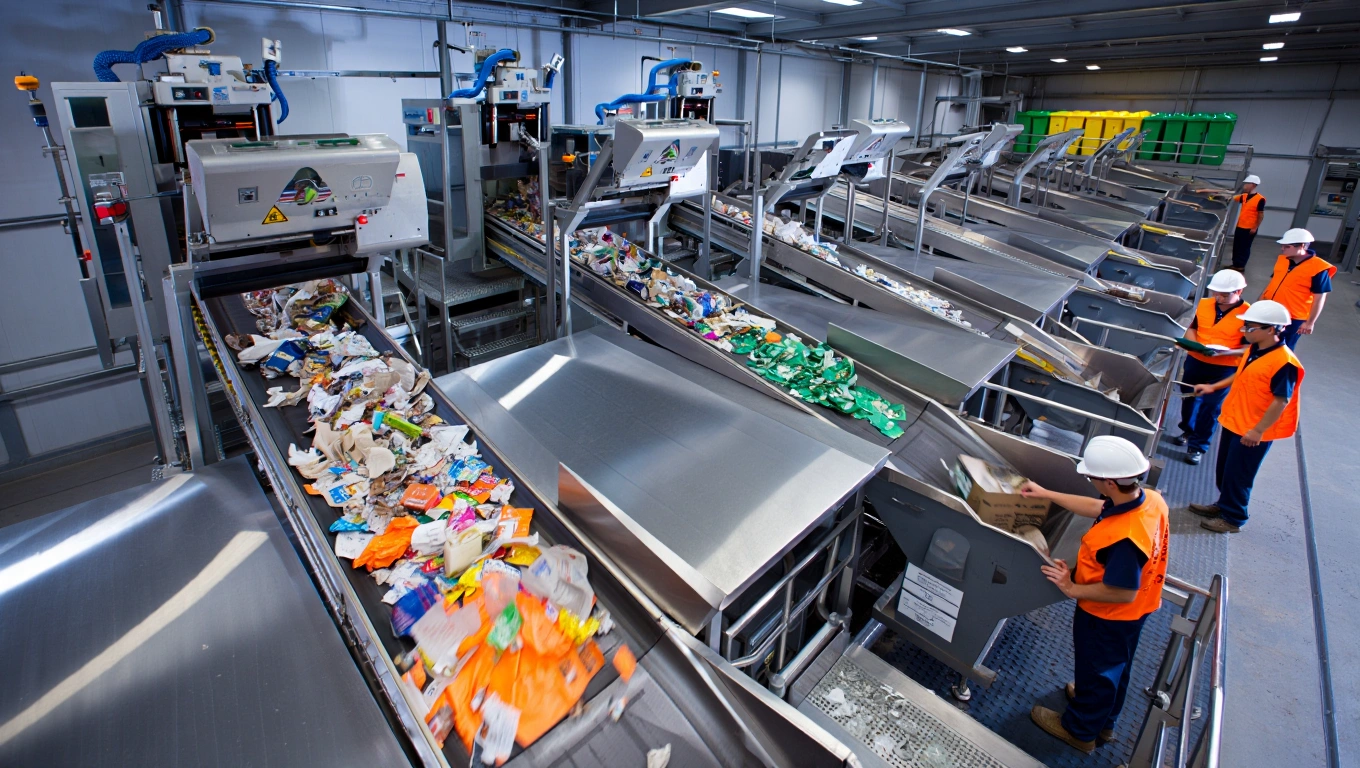
Understanding the Basics: The Recycling Process
Before diving into what can be recycled, it helps to understand what happens after materials leave your bin.
- Before collection: Trash, recycling, compost, and bulk items are sorted and maintained. Trash enclosures, termination rooms, and upper-floor chute rooms are also managed.
- Collection: Materials are picked up and transported to a materials recovery facility.
- Sorting: Advanced equipment and manual sorting separate items by material type.
- Processing: Materials are cleaned, shredded, melted, or otherwise prepared for manufacturing.
- Manufacturing: Recycled materials are used to create new products.
Contamination at any stage can reduce the value of recyclable materials or cause entire loads to be rejected. Proper education and clear signage are essential for maintaining program success.
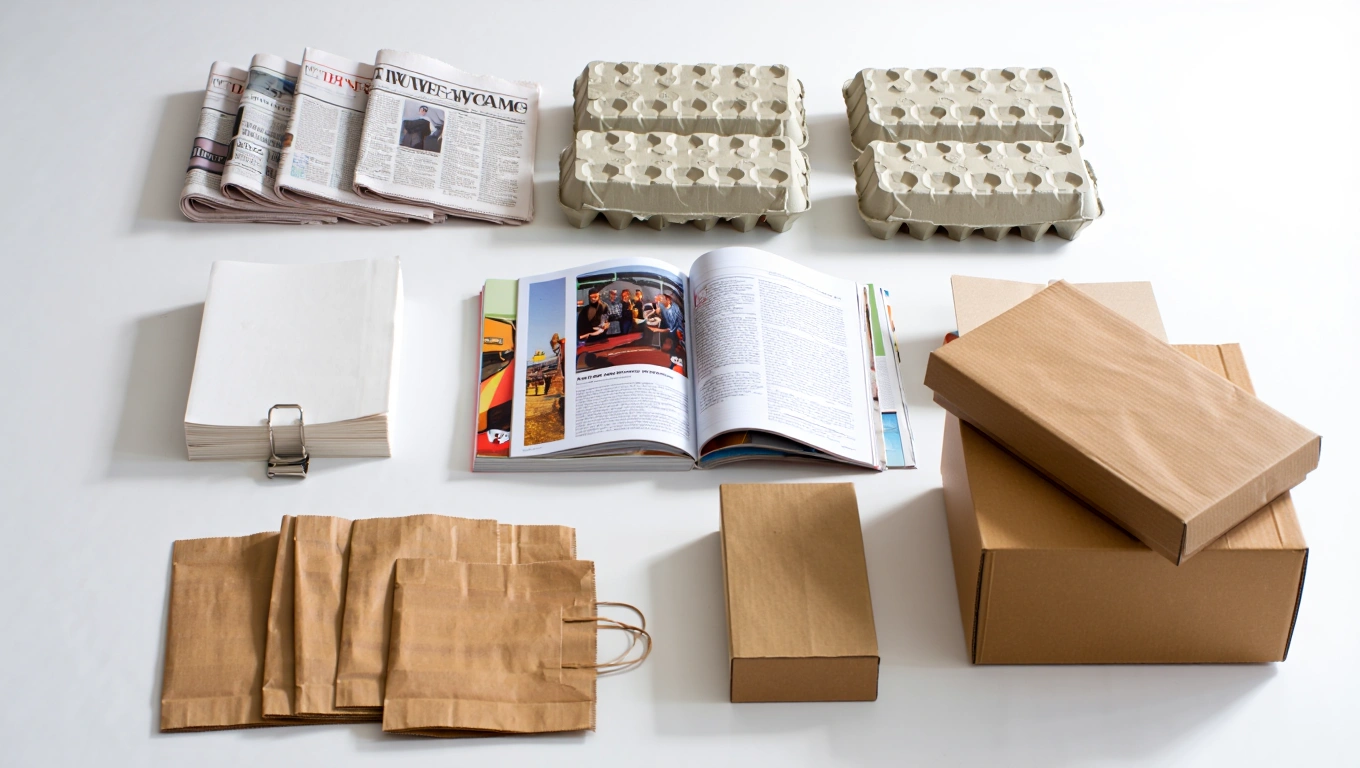
Paper Products
Paper remains one of the most widely recycled materials. Clean and dry paper products are highly recyclable and in demand.
Common recyclable paper items include:
• Office paper
• Newspaper and inserts
• Magazines and catalogs
• Junk mail
• Paperboard packaging
• Cardboard boxes
• Corrugated shipping cartons
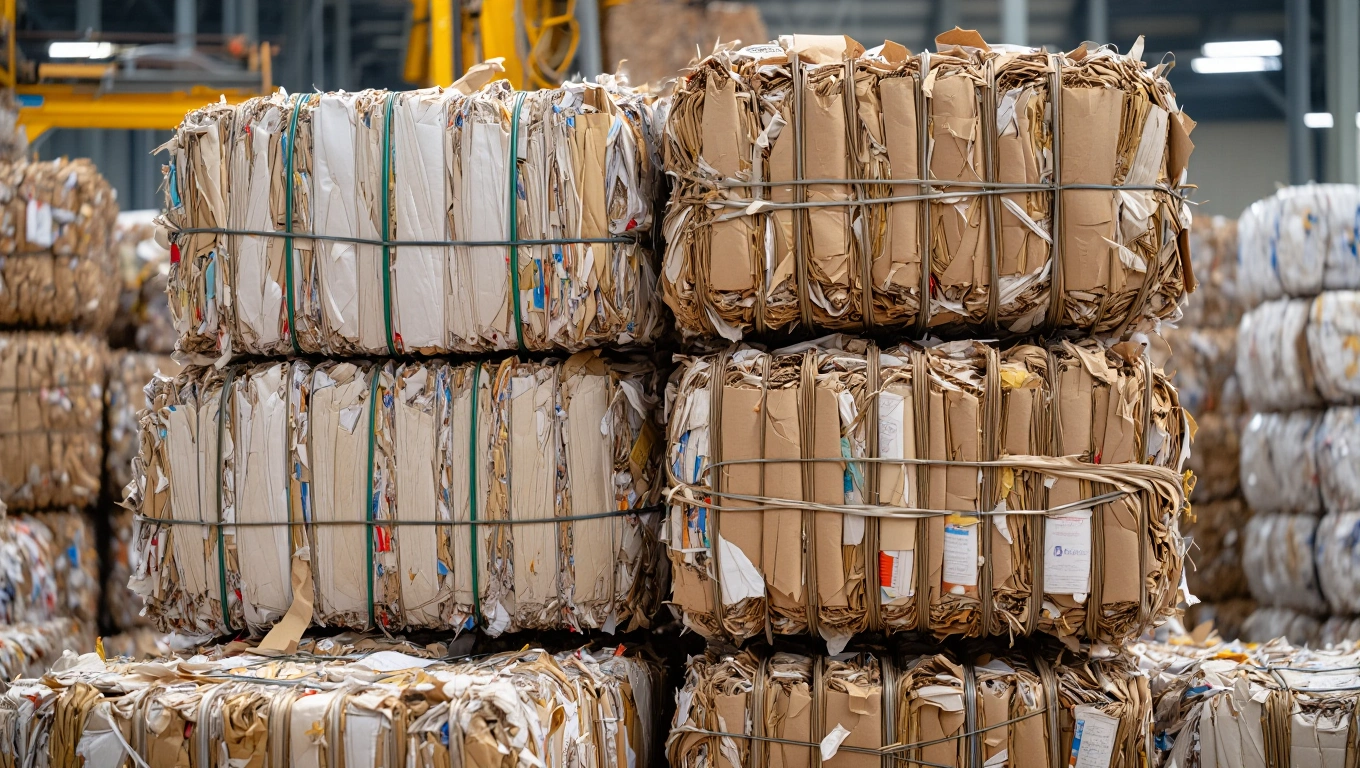
Flatten cardboard boxes before placing them in the recycling container to save space and improve collection efficiency. Remove excessive packing materials when possible.
Avoid recycling:
• Greasy pizza boxes with heavy food residue
• Paper towels and napkins
• Wax-coated paper
• Laminated or plastic-lined paper
If a pizza box lid is clean but the bottom is greasy, separate the clean portion for recycling and dispose of the contaminated section.
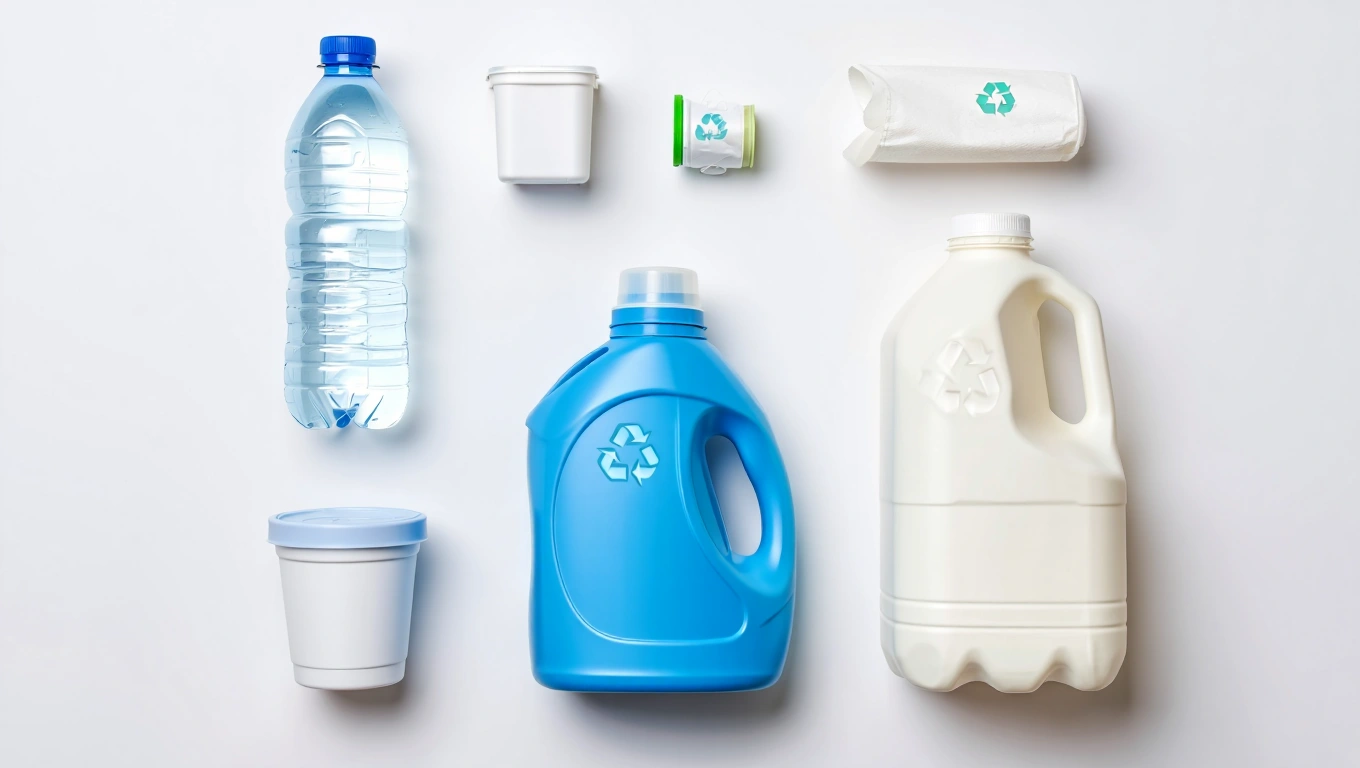
Plastics
Plastic recycling has become more nuanced in recent years. Not all plastics are created equal, and recycling capabilities vary by region. In general, look for the resin identification code, usually a number inside a triangle.
Most commonly recyclable plastics:
• PET or PETE 1, often used for beverage bottles
• HDPE 2, used for milk jugs and detergent containers
• PP 5, used for yogurt containers and some food tubs
Items that are often recyclable when clean and empty:
• Water bottles
• Soda bottles
• Milk jugs
• Shampoo and conditioner bottles
• Rigid plastic containers
Items typically not accepted in standard curbside programs:
• Plastic bags and film
• Styrofoam
• Plastic utensils
• Straws
• Flexible packaging such as chip bags
Plastic bags can often be returned to designated drop-off locations at grocery stores. Always rinse containers to remove food residue before recycling.
Glass
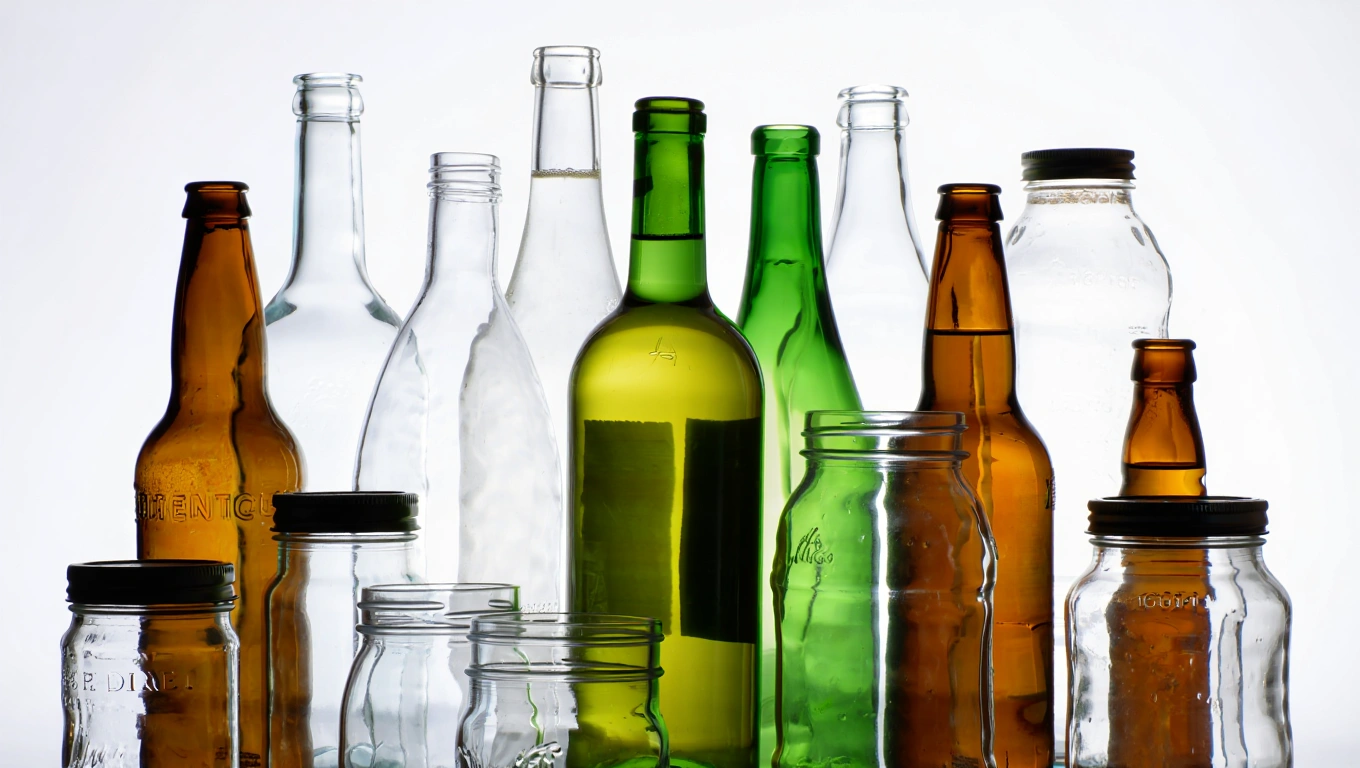
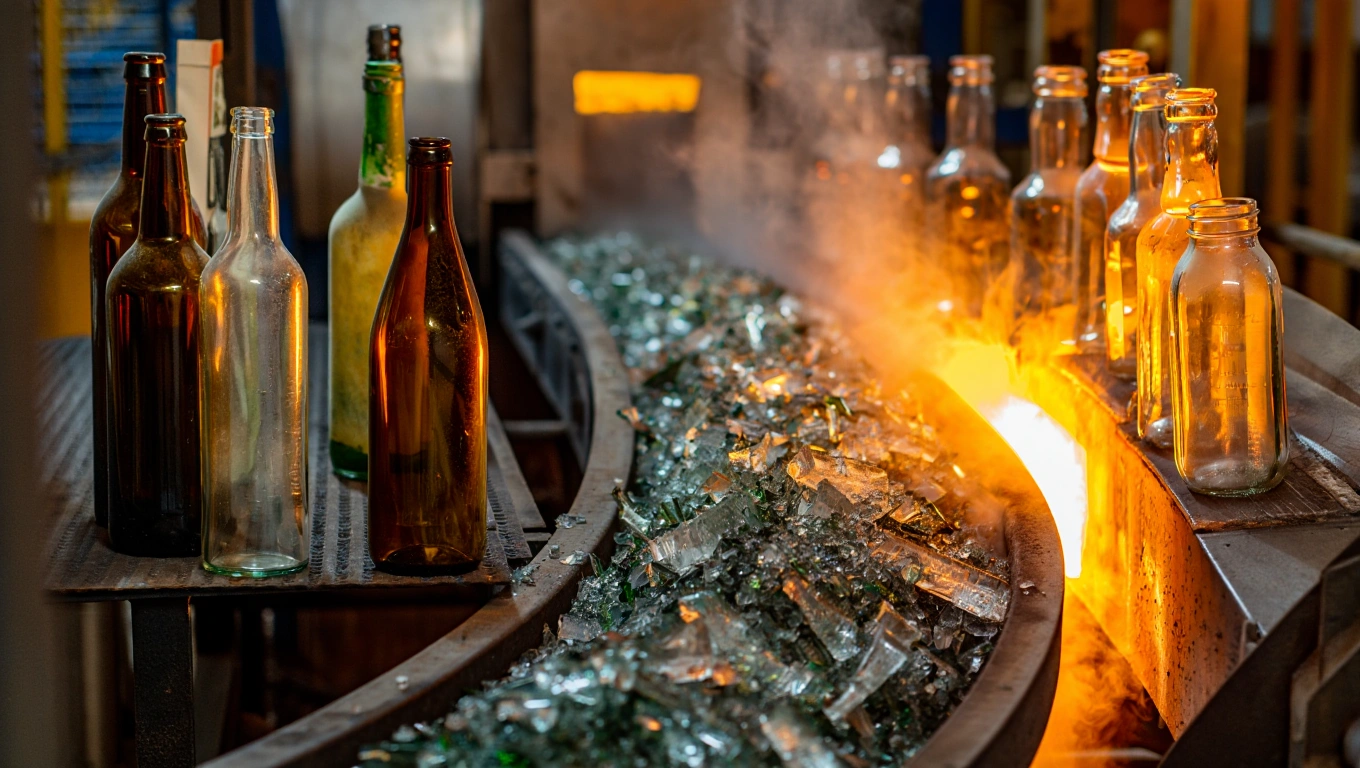
Glass is infinitely recyclable without losing quality. Clear, brown, and green glass bottles and jars are widely accepted.
Recyclable glass items:
• Beverage bottles
• Food jars
• Sauce containers
Items not typically recyclable in curbside programs:
• Window glass
• Mirrors
• Ceramics
• Pyrex
• Light bulbs
Because glass can break easily, place bottles and jars gently into bins. Remove lids and caps unless local guidelines state otherwise.
Metal
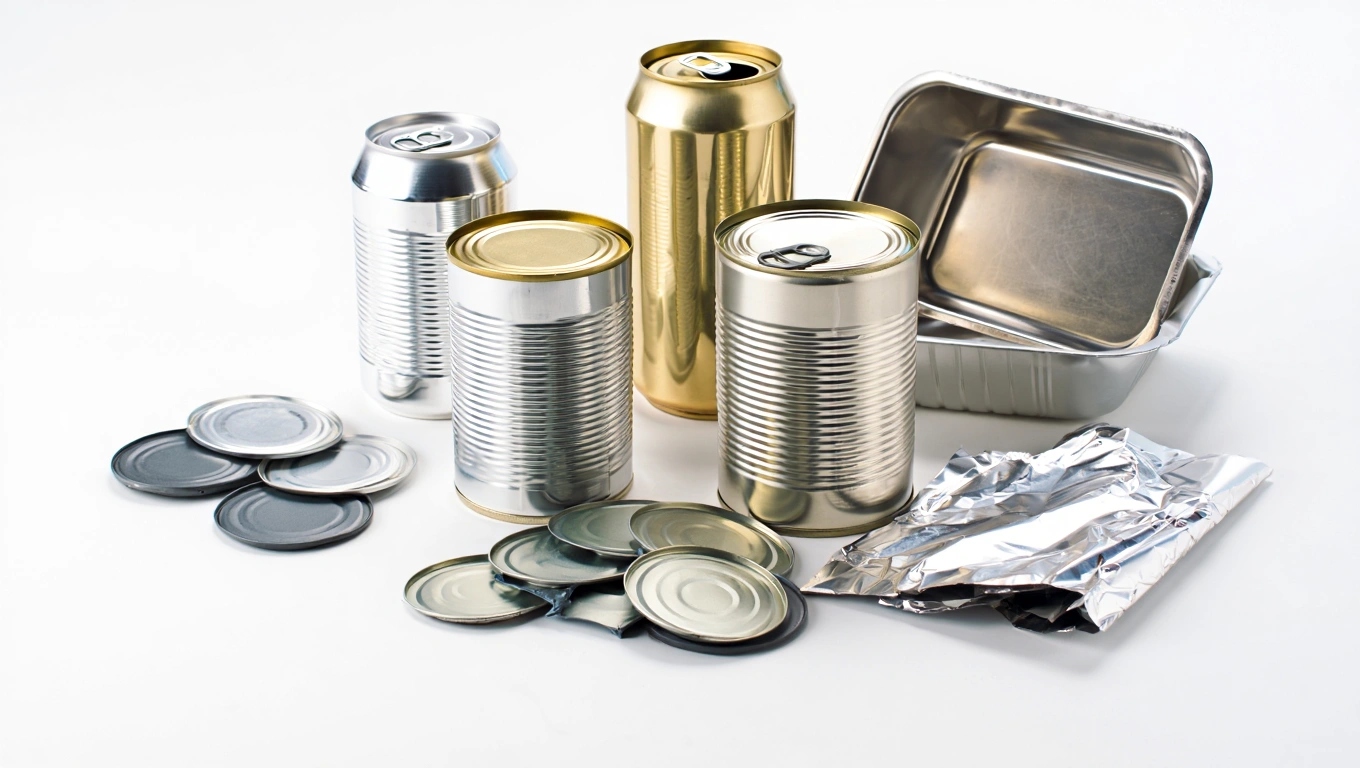
Metals are among the most valuable recyclable materials due to their high reuse potential.
Common recyclable metals:
• Aluminum beverage cans
• Steel food cans
• Tin cans
• Empty aerosol cans
Clean and empty containers are essential. Rinse food residue from cans before placing them in the recycling container.
Scrap metal, appliances, and electronics are often recyclable but require special handling and should not be placed in standard recycling bins.
Electronics and E Waste
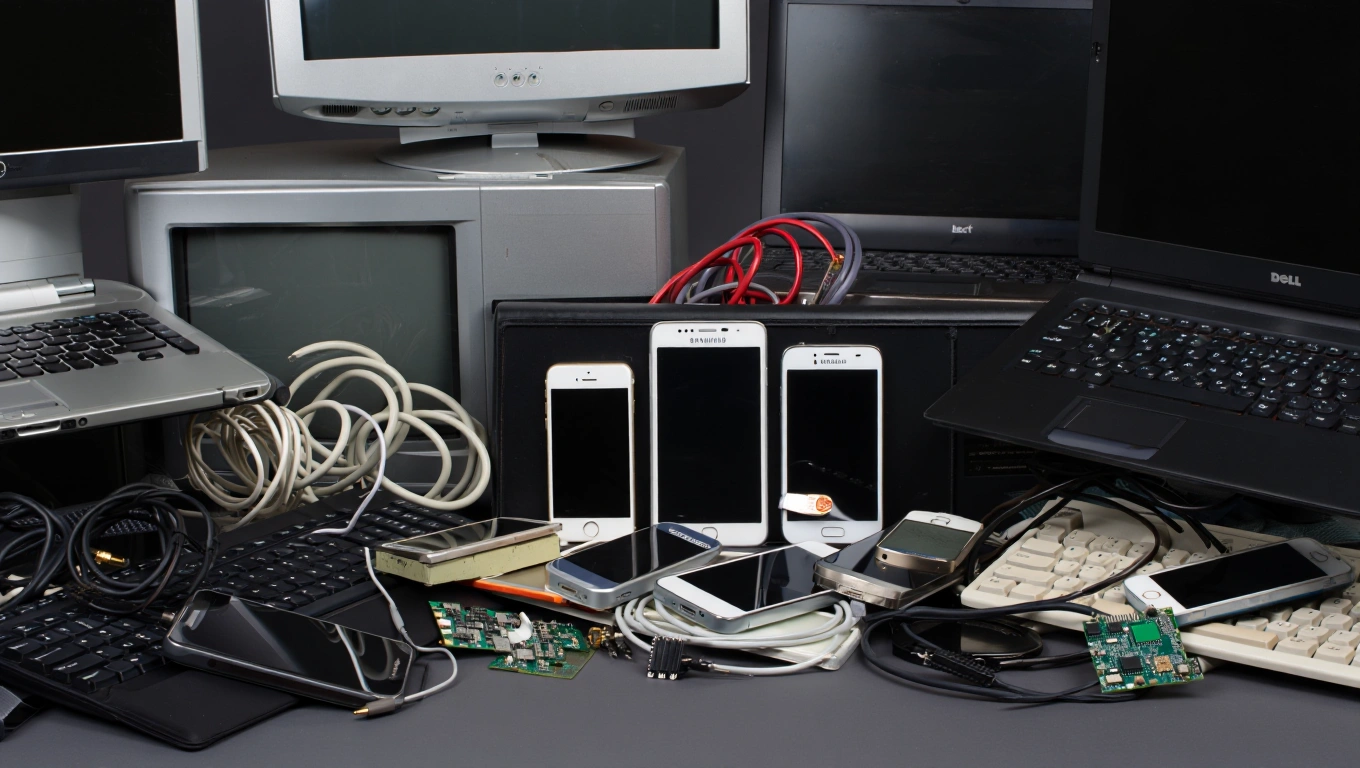
Electronic waste is one of the fastest-growing waste streams. Devices contain valuable materials but also hazardous components that require responsible handling.
Common recyclable electronics include:
• Computers and laptops
• Monitors
• Printers
• Cell phones
• Tablets
• Televisions
These items should be taken to certified e-waste recycling facilities. Many communities and retailers offer drop-off programs. Proper disposal protects data security and prevents environmental contamination.
Batteries and Hazardous Materials
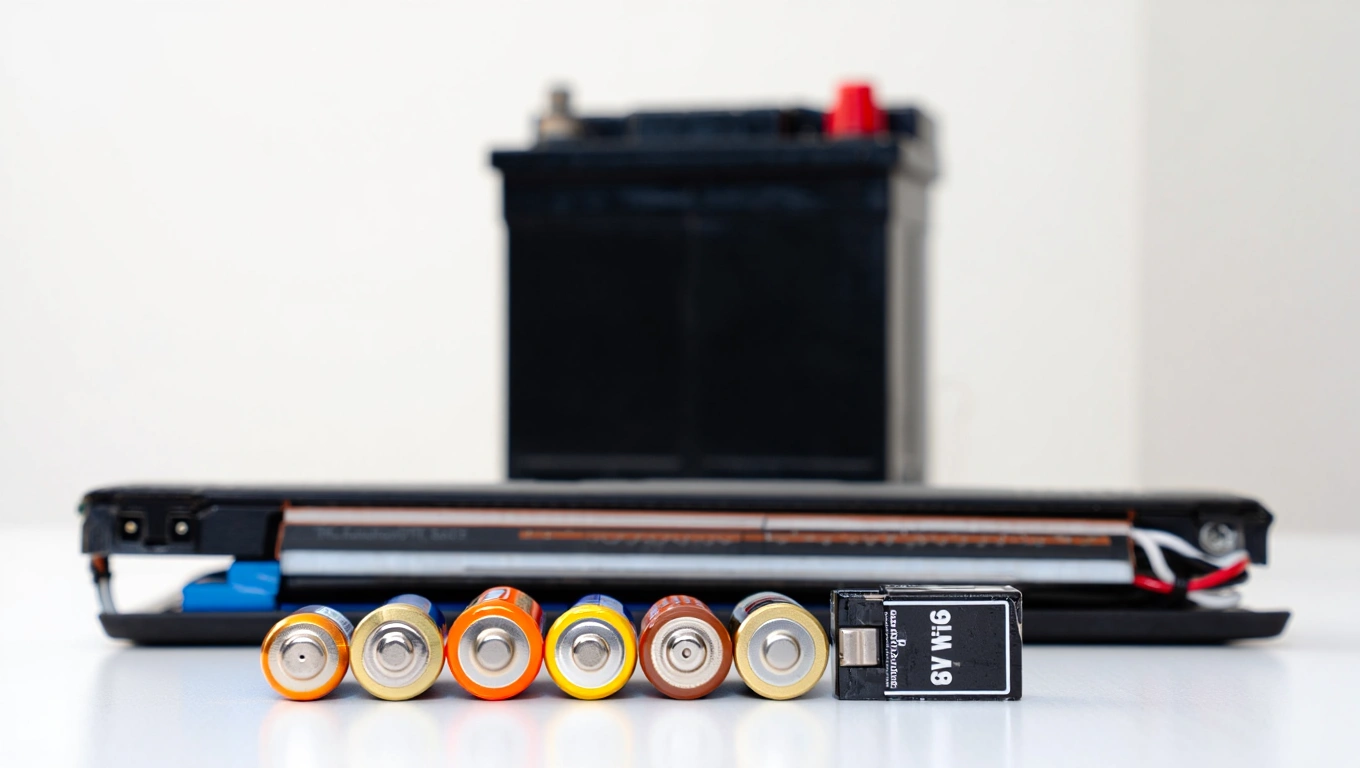
Batteries and hazardous waste should never be placed in standard recycling or trash containers due to fire and safety risks.
Items requiring special disposal:
• Lithium-ion batteries
• Rechargeable batteries
• Household cleaners
• Paint and solvents
• Pesticides
• Motor oil
Many municipalities host hazardous waste collection events. Some retailers accept used batteries for recycling. Always follow local guidelines for safe disposal.
While not traditionally part of recycling programs, composting is a critical component of sustainable waste management in 2026.
Compostable materials often include:
• Fruit and vegetable scraps
• Coffee grounds
• Eggshells
• Yard waste
• Food-soiled paper products
Commercial composting programs are expanding, especially in multifamily housing, hospitality, and food service industries. Composting reduces methane emissions and supports soil health.
Textiles and Clothing
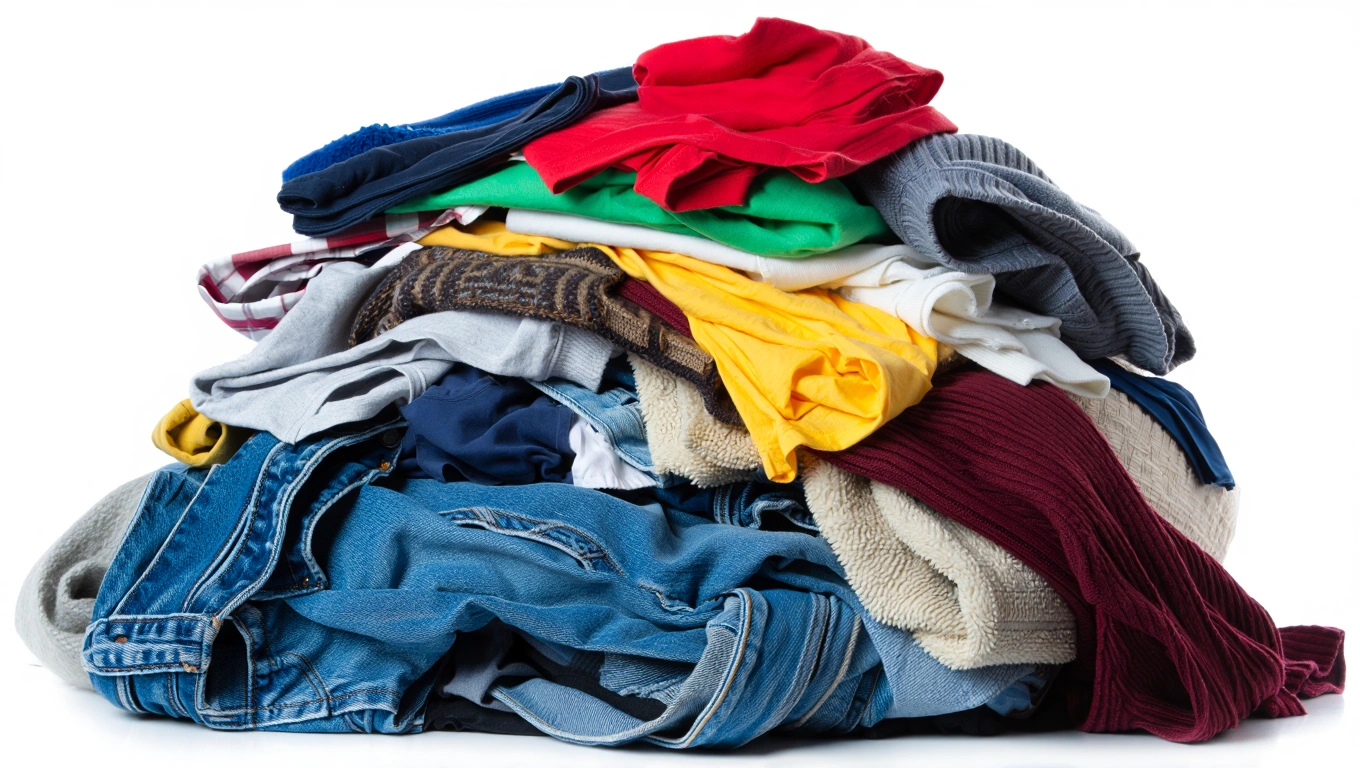
Textile waste is a growing concern. Many clothing items can be reused or recycled.
Recyclable or reusable textiles include:
• Gently used clothing
• Shoes
• Towels
• Bedding
Donate usable items to charitable organizations. Damaged textiles can often be recycled through specialized programs that convert fabric into insulation or industrial rags.
Construction and Demolition Materials
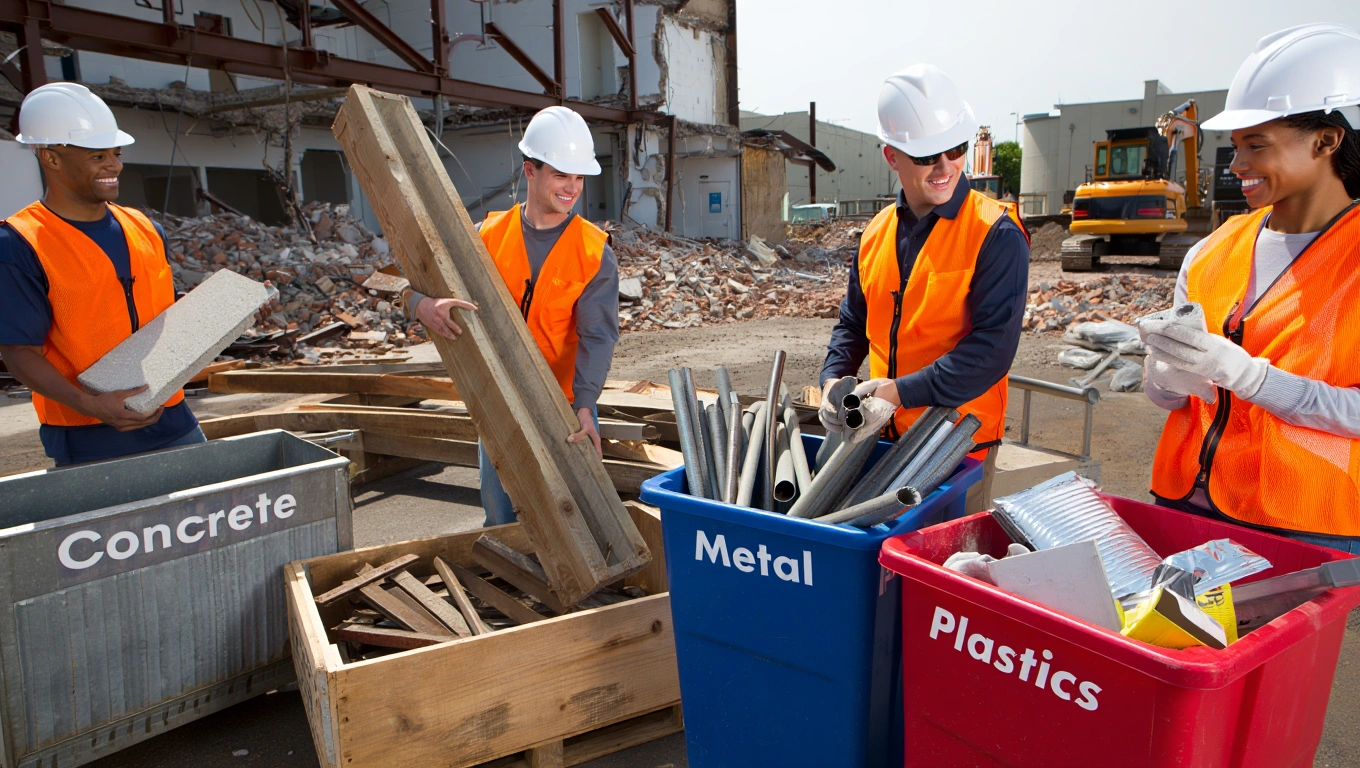
Construction and renovation projects generate significant waste, but much of it can be recycled.
Recyclable construction materials:
• Metal scrap
• Untreated wood
• Concrete
• Asphalt
• Cardboard packaging
A construction waste management plan, such as Copia Resources’ dumpster service, where a dumpster is provided, and debris can be removed, can divert large volumes from landfills and support sustainability goals.
Common Recycling Mistakes to Avoid
Even well-intentioned recycling efforts can fail due to contamination. Common mistakes include:
• Placing food-contaminated items in recycling bins
• Including plastic bags with other recyclables
• Recycling items without checking local guidelines
• Overfilling bins
• Failing to educate employees or residents
Clear labeling, ongoing communication, and routine audits help prevent contamination and improve program performance.
Recycling in Commercial and Multifamily Properties
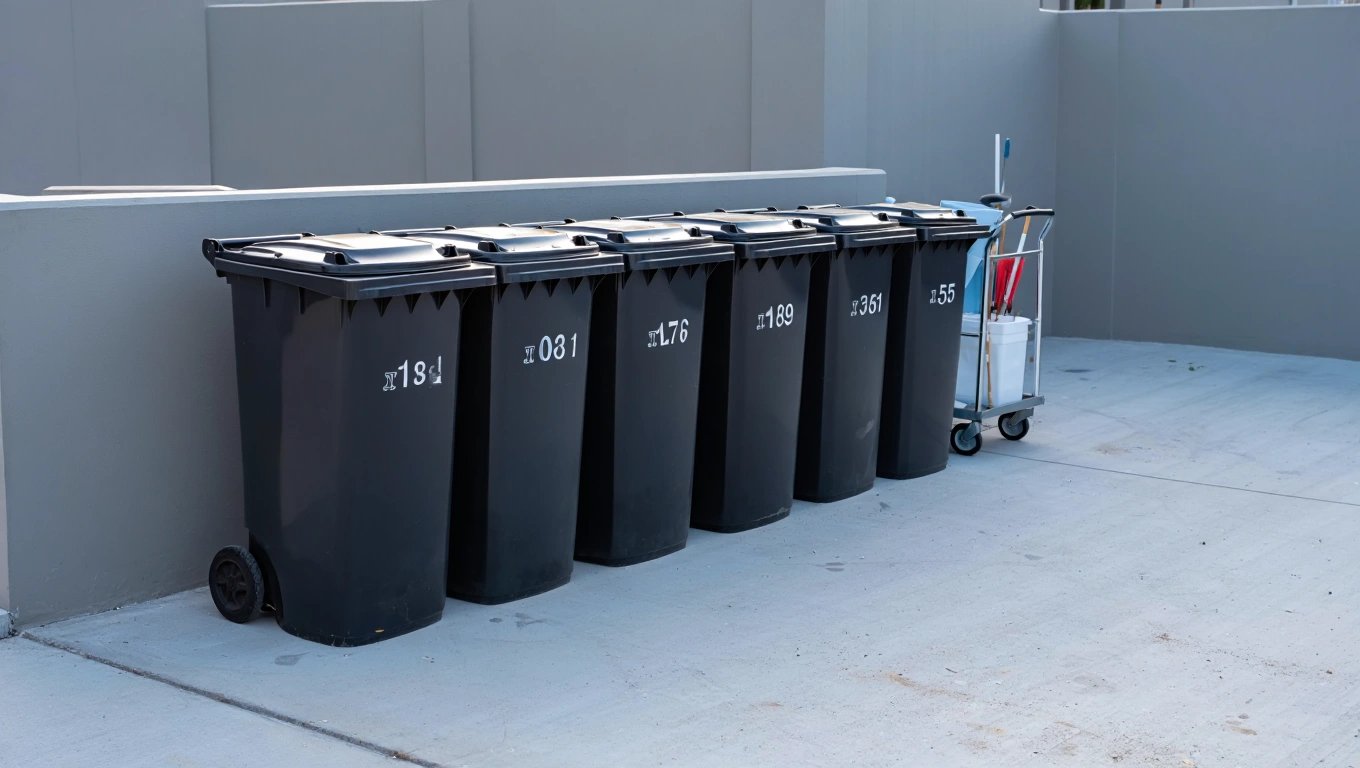
Recycling in office buildings, retail centers, industrial sites, and multifamily properties requires coordination and planning.
Successful programs often include:
• Clearly labeled, centralized recycling stations
• Consistent bin colors and signage
• Staff training and tenant education
• Waste audits to identify improvement opportunities
• Data tracking to measure diversion rates
When waste streams are properly managed, organizations can reduce hauling frequency, avoid contamination fees, and meet sustainability benchmarks.
The Role of Data and Technology in 2026
Modern recycling programs rely on data to drive decisions. Tracking volumes, contamination rates, and cost metrics allows organizations, such as Copia Resources, to adjust service levels and identify inefficiencies, which eliminate contamination fees and overage charges.
Benefits of a data-driven approach:
• Optimized pickup schedules
• Reduced over servicing or under servicing
• Better budgeting and forecasting
• Improved sustainability reporting
• Identification of cost-saving opportunities
Technology such as smart sensors and reporting dashboards enhances visibility and supports continuous improvement.
Building a Smarter Recycling Strategy
Recycling is not a one-size-fits-all solution. Each property, industry, and region has unique challenges. A customized strategy ensures maximum efficiency.
Steps to build an effective program:
- Conduct a waste assessment
- Identify recyclable materials generated on site
- Evaluate current hauling and service levels
- Educate stakeholders
- Monitor and adjust regularly
Partnering with experienced waste management professionals, such as Copia Resources, helps ensure compliance, reduce costs, and streamline operations. Copia Resources offers a free recycling consultation.
Looking Ahead: The Future of Recycling
As sustainability expectations grow, recycling will remain a cornerstone of responsible operations. Emerging trends include:
• Extended producer responsibility programs
• Increased composting mandates
• Enhanced sorting technology
• Greater transparency in reporting
• Circular economy initiatives
Organizations that proactively invest in recycling infrastructure and education position themselves for long-term success.
Ready to Optimize Your Recycling Program?
Navigating today’s recycling landscape can feel complex, but it does not have to be. With the right expertise and strategic approach, recycling becomes a powerful tool for efficiency and sustainability.
At Copia Resources, we provide comprehensive waste management solutions designed to simplify and strengthen your operations. Copia is derived from the name of the ancient Roman Goddess of Abundance, and we strive to be an abundant resource for every client we serve. From overseeing trash, recycling, and compost programs to ensuring all materials are properly stored and managed, our team delivers unmatched professionalism, regional expertise, and a data-driven mindset to every challenge we encounter.
Frequently Asked Questions
What can usually be recycled in 2026?
Common recyclable materials often include cardboard, paper, aluminum cans, steel cans, and certain plastic bottles and containers, but accepted items vary by local recycling program.
Can all plastics be recycled?
No. Not every type of plastic is accepted in curbside recycling, and local programs may only take specific plastic containers based on resin type, shape, or market demand.
Should items be cleaned before recycling?
Yes. Recyclables should generally be empty, dry, and free of excess food or liquid to help reduce contamination and improve the quality of the recycling stream.
What items are commonly not accepted in curbside recycling?
Plastic bags, food-soiled paper, hoses, cords, batteries, electronics, and certain mixed-material packaging are commonly excluded from standard curbside recycling programs.
Why does recycling contamination matter?
Contamination can make entire loads harder to process, increase sorting costs, and reduce the amount of material that can actually be recycled into new products.
How can I find out what is recyclable in my area?
The best approach is to check your local hauler, municipality, or recycling program guidelines, since accepted materials can differ significantly by city, county, or service provider.
If you are ready to streamline your operations, reduce costs, and improve overall efficiencies without being locked into a long-term contract, we would love to connect. Let’s build a more sustainable, efficient future, one bin, one building, and one situation at a time. Reach out to learn more and schedule a waste consultation today.