

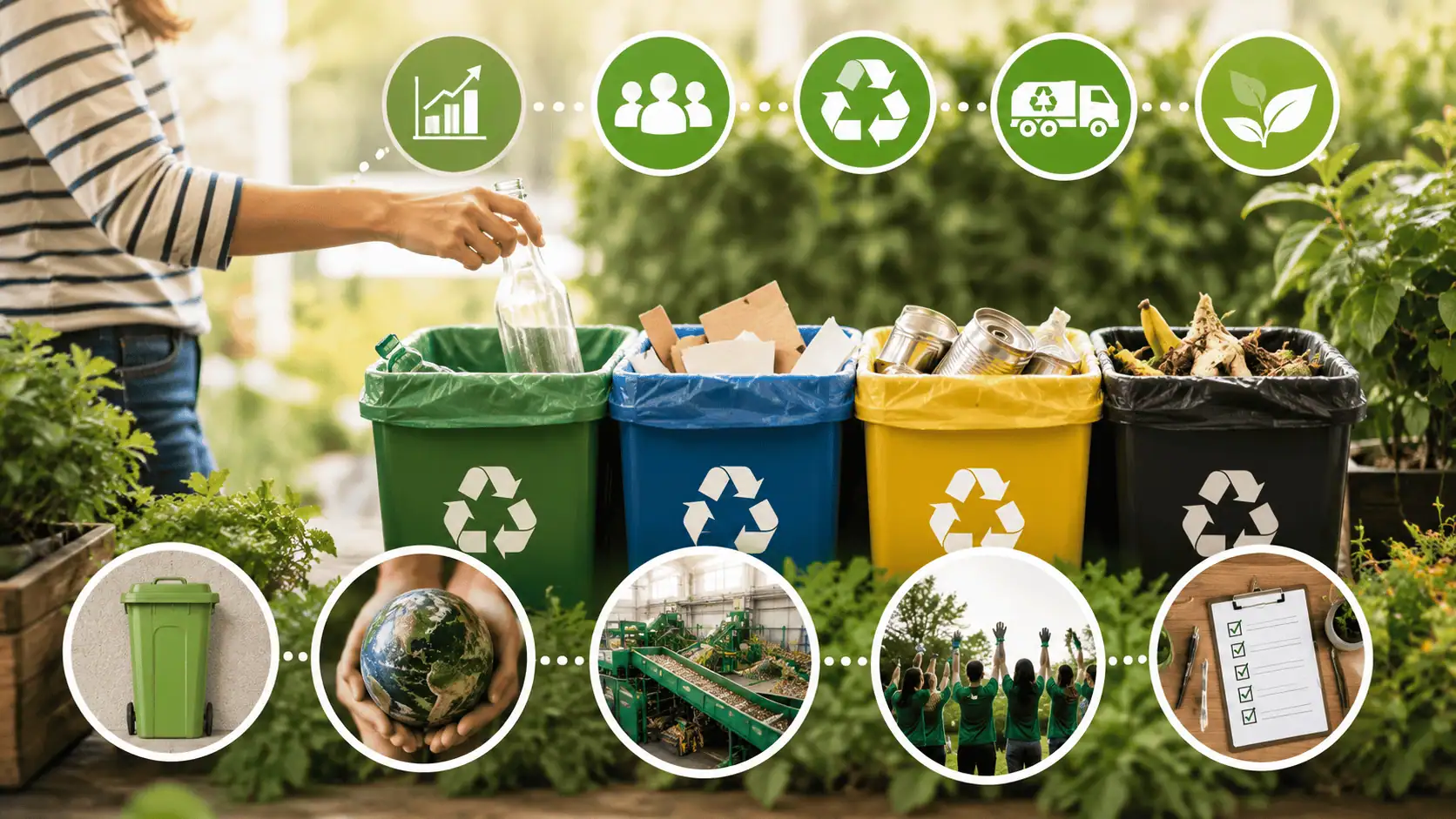
Waste diversion is more than a sustainability buzzword. For property managers, commercial facilities, mixed-use developments, hospitality operators, and community leaders, understanding how to improve waste diversion rates can lead to cleaner spaces, lower disposal costs, better regulatory compliance, and a stronger environmental reputation. At its core, waste diversion means keeping materials out of landfills by redirecting them toward recycling, composting, reuse, donation, and other responsible recovery pathways. The more effectively a property or organization separates valuable materials from landfill-bound trash, the higher its diversion rate becomes.
Improving waste diversion does not happen by chance. It requires a practical system that combines smart planning, clear signage, convenient infrastructure, resident, fan, or employee education, and regular performance reviews. A successful program should be simple enough for people to follow every day, flexible enough to fit real operations, and strong enough to adapt as regulations, waste volumes, and community needs change.
Copia Resources positions our work around tailored, full-spectrum waste management solutions, operational efficiency, compliance, environmental sustainability, and data-driven services for properties and communities. That kind of structured approach is exactly what organizations need when they want to improve diversion in a way that is both sustainable and manageable.
What Is a Waste Diversion Rate?
A waste diversion rate measures the percentage of total waste that is diverted away from landfill disposal. In simple terms, it compares how much material is recycled, composted, reused, or otherwise recovered against the total amount of waste generated.
For example, if a community generates 10,000 pounds of waste in a month and 4,000 pounds are recycled or composted, the waste diversion rate is 40 percent.
A higher diversion rate usually means that less material is going to the landfill. However, the goal is not only to increase the number. The goal is to create a reliable waste system that reduces contamination, improves operational efficiency, supports compliance, and encourages long-term participation.
Why Waste Diversion Matters
Improving waste diversion benefits both the environment and day-to-day operations. Landfill disposal can be expensive, inefficient, and difficult to manage when waste streams are not properly organized. Better diversion helps communities and businesses become cleaner, more cost-conscious, and more sustainable.
Key benefits include:
- Reduced landfill waste
- Lower hauling and disposal costs
- Improved recycling and composting performance
- Better compliance with local and state regulations
- Cleaner waste rooms, enclosures, and shared spaces
- Reduced contamination charges
- Stronger environmental reporting
- Improved resident, fan, or employee satisfaction
- Enhanced brand reputation and community trust
For multifamily communities, mixed-use properties, commercial sites, and large venues, waste diversion also supports smoother operations. When people know where materials belong and bins are properly sized, placed, and serviced, the entire property becomes easier to manage.
Start With a Waste Stream Assessment
The first step to improving waste diversion is understanding what is currently being thrown away. A waste stream assessment looks at the types and volumes of materials being generated, how waste moves through the property, where bins are located, and what problems are occurring.
This assessment can reveal important details, such as:
- Too much recyclable material in trash containers
- Food waste going into landfill bins
- Recycling bins that are too small or poorly located
- Trash containers that are oversized or serviced too often
- High contamination levels in recycling or compost streams
- Confusing signage or inconsistent bin colors
- Overflow issues during peak usage periods
- Missed opportunities for donation or reuse
Without this baseline, it is difficult to know which changes will make the biggest impact. Copia Resources notes that waste stream evaluation, volume analysis, bin placement, right-sizing, collection schedule optimization, and ongoing performance review are core components of effective trash management services.
Set Clear and Realistic Diversion Goals
Once the current waste system is understood, the next step is setting goals. Goals should be specific, measurable, and realistic. A property that is currently diverting 20 percent of waste may not jump to 75 percent overnight, but it can make meaningful progress through steady improvements.
Examples of waste diversion goals include:
- Increase recycling participation by 25 percent within six months
- Reduce landfill waste by 15 percent year over year
- Launch a food waste or composting program by a specific date
- Reduce recycling contamination below a defined threshold
- Improve signage at all waste collection points
- Right-size containers to better match actual waste volumes
- Add regular reporting for diversion progress
Clear goals keep teams aligned. They also make it easier to communicate progress to ownership groups, residents, tenants, staff, or community stakeholders.
Make Waste Sorting Simple and Convenient
People are more likely to sort waste correctly when the system is easy to understand and convenient to use. If trash bins are easy to find but recycling or compost bins are hidden, too small, or far away, participation will suffer.
A strong diversion program should make the right choice the easy choice.
Helpful strategies include:
- Place landfill, recycling, and compost bins together whenever possible
- Use consistent bin colors across the property
- Add clear labels with simple language
- Use images of accepted materials
- Avoid long lists that are difficult to read quickly
- Place signage at eye level
- Provide instructions in multiple languages when appropriate
- Keep waste areas clean, well-lit, and accessible
- Ensure containers are not overflowing
Convenience is especially important in multifamily and mixed-use environments. Residents, tenants, and guests may not have time to think through complicated instructions. The system should guide them naturally.
Reduce Recycling Contamination
Recycling contamination happens when non-recyclable items end up in recycling containers. Common contaminants include food-soiled materials, plastic bags, liquids, Styrofoam, textiles, and trash. Contamination can reduce the value of recyclable materials, create processing problems, and lead to extra fees.
To reduce contamination:
- Use simple signage that clearly shows what is accepted
- Focus education on the most common mistakes
- Keep trash bins next to recycling bins
- Empty containers often enough to prevent overflow
- Train staff to recognize contamination issues
- Monitor bins regularly and adjust the program as needed
- Provide feedback to residents, tenants, or employees
It is also important to avoid wishcycling. Wishcycling happens when people place questionable items in the recycling bin because they hope they are recyclable. While well-intentioned, this can harm the program. Clear communication helps prevent it.
Food waste can make up a significant portion of landfill-bound material, especially at multifamily communities, restaurants, hospitality properties, campuses, and venues. Composting and food waste collection can significantly improve diversion rates when implemented correctly.
A successful composting program should include:
- Clearly labeled food waste bins
- Convenient bin placement in high-use areas
- Resident, tenant, or employee education
- Odor control planning
- Regular collection schedules
- Ongoing contamination monitoring
- Clean containers and waste areas
Copia Resources highlights compost sorting services for multifamily properties as a way to support compliance, reduce contamination, and help communities adopt composting more easily.
Composting programs work best when they are introduced with clear instructions and practical support. People need to know what belongs in the compost bin, what does not, and why the program matters.
The Grab-A-Bag Program is also a practical way to help communities as well. Learn more here.
Right-Size Containers and Service Levels
Improving diversion is not only about adding more bins. It is also about making sure the right containers are in the right places and serviced at the right frequency.
If landfill bins are oversized and recycling bins are undersized, users may default to trash. If containers overflow, people may place items wherever there is room. If collection schedules are not aligned with actual volumes, the property may face unnecessary costs or cleanliness issues.
Right-sizing can involve:
- Adjusting the number of trash, recycling, and compost containers
- Changing container sizes
- Relocating bins to better support user behavior
- Modifying pickup frequency
- Coordinating service schedules with peak usage patterns
- Reviewing hauler invoices and service agreements
Copia Resources describes its approach as analyzing current operational practices, mandates, hauler requirements, container right-sizing, and service needs across waste, recycling, and composting streams.
Educate Residents, Fans, and Staff
Even the best-designed waste system will struggle without education. People need to understand what to do, where to do it, and why it matters.
Education should be practical, consistent, and easy to absorb. Long policy documents are rarely enough. Instead, use short reminders, visuals, onboarding materials, and regular updates.
Effective education tools include:
- Move-in packets for residents
- Tenant welcome guides
- Employee training sessions
- Short email reminders
- Posters and flyers near waste areas
- QR codes linking to disposal guides
- Staff talking points
- Seasonal reminders before holidays or events
- Updates when regulations or services change
Education should also be positive. Instead of focusing only on mistakes, celebrate progress. Share diversion milestones and thank people for participating. A friendly tone encourages cooperation and helps build long-term habits.
Create Accountability Through Monitoring and Reporting
Waste diversion programs need ongoing attention. If no one tracks performance, small problems can grow into expensive issues. Monitoring helps identify contamination, overflow, underused bins, missed pickups, and changing waste patterns.
Regular reporting can include:
- Monthly waste volume data
- Recycling and compost tonnage
- Diversion rate trends
- Contamination observations
- Hauler service issues
- Cost changes
- Recommendations for improvement
Data helps teams make informed decisions. It also gives leadership a clear picture of progress and return on investment. Copia Resources emphasizes data-driven insights and reporting to help organizations track progress, identify trends, and demonstrate the value of environmental initiatives.
Focus on Source Reduction First
Diversion is important, but reducing waste at the source is even better. Source reduction means preventing unnecessary waste before it is created. This can lower costs and make recycling and composting programs easier to manage.
Ways to reduce waste at the source include:
- Encourage reusable materials where practical
- Reduce single-use items
- Digitize notices, invoices, and internal documents
- Improve purchasing practices
- Choose products with less packaging
- Reuse furniture, fixtures, and equipment when possible
- Set up donation pathways for usable items
- Coordinate bulk item collection to prevent illegal dumping
Copia Resources offers waste reduction planning designed to help residential and mixed-use properties identify opportunities, cut unnecessary waste, lower disposal costs, and align with sustainability goals.
Address Bulk Waste and Special Materials
Bulk waste can quickly undermine a diversion program if it is not handled properly. Items like furniture, mattresses, appliances, construction debris, electronics, and move-out waste often require special handling.
A strong bulk waste strategy may include:
- Scheduled bulk pickup days
- Clear resident or tenant instructions
- Donation partnerships for usable items
- E-waste collection events
- Construction and renovation debris planning
- Unit clean-out support
- Communication before move-in and move-out periods
Bulk waste is especially important for multifamily communities and mixed-use properties. Without a plan, large items can create clutter, safety issues, and extra costs. With the right process, some materials can be reused, recycled, or handled more efficiently.
Keep Waste Areas Clean and Well Maintained
Cleanliness plays a major role in participation. If waste rooms, enclosures, or collection points are dirty, confusing, or unpleasant, people may be less likely to sort materials correctly. Poor conditions can also attract pests, create odors, and generate complaints.
To improve waste area conditions:
- Schedule regular cleaning
- Address odors quickly
- Keep signage clean and visible
- Ensure bins are not blocked
- Repair damaged enclosures or doors
- Prevent overflow with proper service levels
- Train staff to report issues early
- Use liners, lids, and containment tools where appropriate
A clean waste area signals that the program matters. It also makes residents, tenants, employees, and guests more likely to respect the system.
Build a Program That Fits the Property
There is no one-size-fits-all approach to waste diversion. A large apartment community, a commercial office building, a retail center, a hotel, and a stadium all produce different waste streams. Each site needs a plan based on its layout, users, regulations, hauler options, staffing capacity, and operational goals.
Copia Resources serves multiple property types, including multifamily, mixed-use, commercial and retail, hospitality, and large venue properties. This matters because successful diversion depends on solutions that match real-world conditions rather than generic recommendations.
A custom plan may consider:
- Property size and density
- Number of residents, tenants, guests, or employees
- Daily waste volume
- Local regulations
- Available hauler services
- Space limitations
- Existing bin infrastructure
- Staff responsibilities
- Budget goals
- Sustainability targets
The best diversion programs are both ambitious and practical. They improve environmental performance without creating unnecessary complexity.
Review, Refine, and Improve Over Time
Waste diversion is not a one-time project. It is an ongoing process of review and improvement. After launching or updating a program, teams should continue to evaluate performance and make adjustments.
Important questions to ask include:
- Are bins being used correctly?
- Are recycling and compost streams contaminated?
- Are containers the right size?
- Are service schedules appropriate?
- Are users receiving enough education?
- Are costs increasing or decreasing?
- Are regulations changing?
- Are there new opportunities for reuse, recycling, or composting?
Small refinements can lead to major improvements over time. The most successful programs are the ones that stay active, responsive, and data-informed.
FAQ
What is a good waste diversion rate?
A good waste diversion rate depends on the property type, local recycling and composting options, regulations, and current waste practices. Many organizations start by establishing a baseline, then set realistic goals for steady improvement.
How do you calculate waste diversion rate?
Divide the amount of waste diverted through recycling, composting, reuse, or recovery by the total amount of waste generated, then multiply by 100. For example, if 4,000 pounds out of 10,000 pounds are diverted, the diversion rate is 40 percent.
What is the fastest way to improve waste diversion?
The fastest improvements often come from reducing contamination, improving signage, placing recycling and compost bins next to trash bins, and right-sizing containers. A waste assessment can identify the highest-impact opportunities.
Why is recycling contamination a problem?
Contamination can make recyclable materials harder or impossible to process. It can also lead to extra fees, rejected loads, and lower program performance.
Can composting improve diversion rates?
Yes. Food waste can represent a major portion of landfill-bound material. Adding a well-managed composting program can significantly increase diversion, especially in multifamily, hospitality, food service, and venue environments.
How often should a waste diversion program be reviewed?
A program should be reviewed regularly, often monthly or quarterly, depending on property size and waste volume. Reviews help identify contamination, overflow, cost issues, and opportunities for improvement.
Do residents or employees need training?
Yes. Clear education is essential. People need simple instructions, consistent signage, and occasional reminders to sort materials correctly and support the program.
Is waste diversion only about sustainability?
No. Waste diversion supports sustainability, but it can also improve cleanliness, reduce costs, support compliance, improve operational efficiency, and create a better experience for residents, tenants, guests, and employees.
Partner With Copia Resources for Smarter Waste Solutions
Improving waste diversion rates takes more than good intentions. It takes the right strategy, the right infrastructure, consistent education, and a partner that understands how waste systems work in real communities and properties. Whether you manage a multifamily community, mixed-use development, commercial site, hospitality property, or large venue, we can help you create a smarter, cleaner, and more efficient waste program.
We provide smarter waste solutions for thriving communities. Request a quote and discover the Copia Resources difference.
Learn more about our Grab-a-Bag Program