

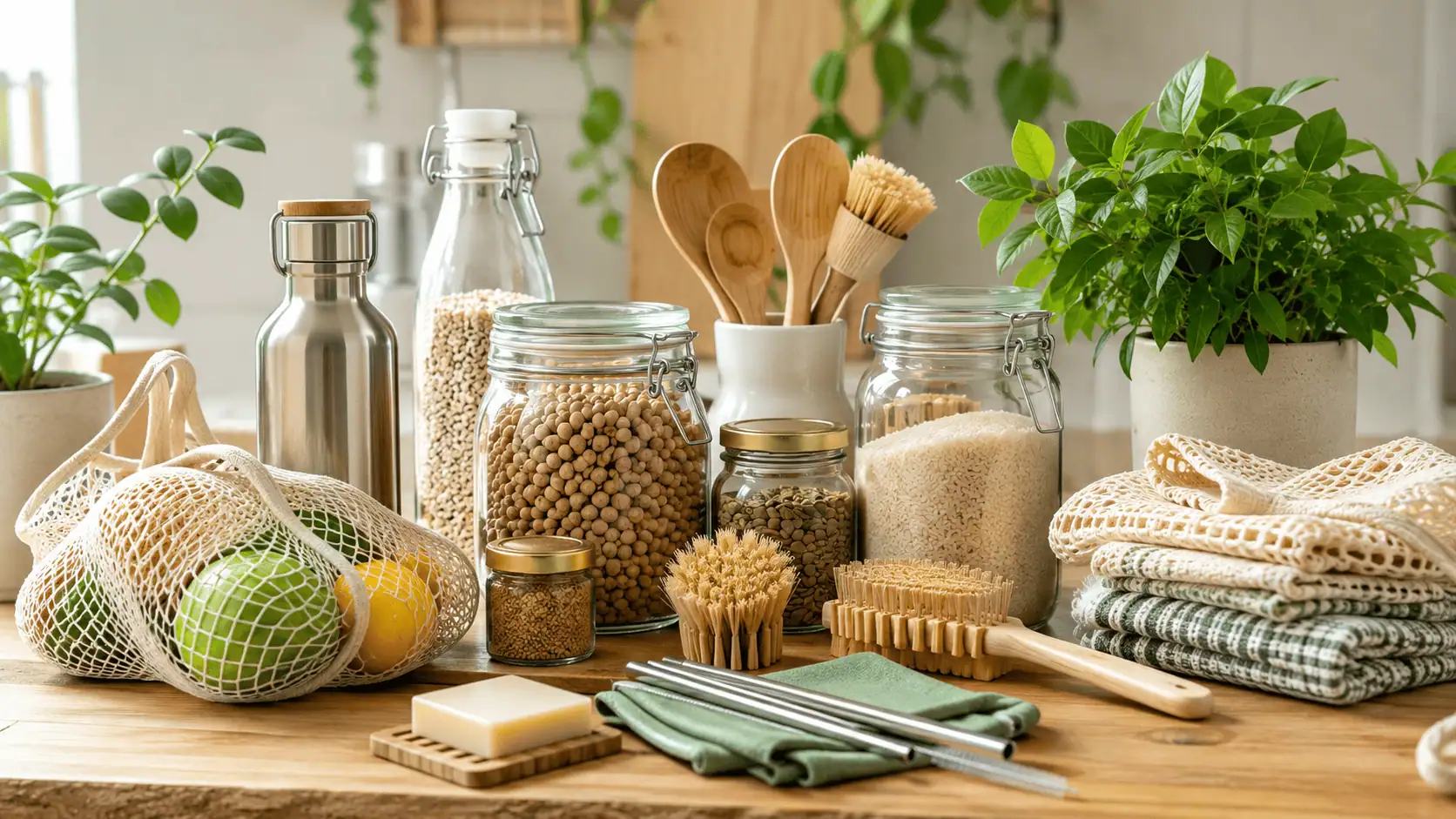
Adopting a zero-waste lifestyle does not require perfection, a total home makeover, or an expensive shopping list. Instead, it begins with simple, practical habits that help households reduce what they throw away each day. From food packaging and disposable products to forgotten leftovers and single-use plastics, much of the waste generated at home can be prevented with a little planning and a few intentional choices. The goal is not to create pressure, but to build a more mindful routine that saves resources, supports cleaner communities, and often lowers household costs over time.
What Is a Zero-Waste Lifestyle?
A zero-waste lifestyle is an approach to daily living that focuses on reducing the amount of trash sent to landfills. Rather than relying on a use-it-once-and-throw-it-away mindset, this lifestyle encourages people to rethink how they buy, store, use, and dispose of items in the home.
At its core, zero waste is about making better choices at every stage of consumption. That might mean buying less, reusing what you already have, repairing items instead of replacing them, composting food scraps, or recycling correctly. For most households, it is not about producing absolutely no waste. It is about making meaningful reductions that add up over time.
A zero-waste home often prioritizes these principles:
- Refuse what you do not need
- Reduce what you do use
- Reuse items as often as possible
- Recycle properly when materials qualify
- Rot organic waste through composting
When practiced consistently, these habits help reduce clutter, conserve natural resources, and create a more sustainable living environment.
Why Reducing Household Waste Matters
Every home generates waste, but small daily choices can have a major impact. Disposable packaging, food waste, paper products, plastic bottles, and broken household goods contribute to overflowing trash bins and unnecessary strain on waste systems. Reducing waste at home helps address these problems at the source.
Choosing a lower-waste lifestyle can offer several benefits:
- Less trash going to landfills
- Lower spending on disposable items
- Better organization and less clutter at home
- Smarter use of food, energy, and materials
- A cleaner, healthier environment for families and communities
It also helps build awareness. Once people begin to notice how much they throw away, they often discover that many wasteful habits are easy to change.
Start with a Waste Audit at Home
Before making changes, it helps to understand what your household throws away most often. A simple waste audit can reveal patterns and identify the easiest opportunities for improvement.
Take a look at one week of household trash and ask:
- How much of it is food waste?
- How much is plastic packaging?
- Are there lots of paper towels, napkins, or disposable containers?
- Are recyclable materials ending up in the trash?
- Are unopened or expired items being discarded?
You do not need a formal report. A basic review can be enough to spot problem areas. For many households, the largest categories include food waste, single-use plastics, paper products, and overpurchased items.
Once you know where your waste is coming from, it becomes much easier to set realistic goals.
Reduce Waste in the Kitchen First
The kitchen is one of the best places to begin because it is often the largest source of household waste. Food packaging, leftovers, plastic bags, disposable utensils, and paper products can add up quickly.
Here are practical ways to reduce kitchen waste:
Plan Meals and Shop with Intention
Meal planning helps prevent overbuying and lowers the chance of food spoilage. Make a shopping list based on what you already have at home and what you realistically plan to cook that week.
Helpful habits include:
- Checking the pantry, refrigerator, and freezer before shopping
- Buying only what you need
- Planning meals around ingredients you already have
- Using perishable items earlier in the week
- Freezing leftovers before they go bad
Store Food Properly
Better food storage can extend the life of fresh produce, leftovers, and pantry staples. Use airtight containers, label items when needed, and keep the refrigerator organized so food does not get lost in the back.
Use Reusables Instead of Disposables
Swap single-use products for reusable alternatives that can last for years. This simple change can significantly cut down on kitchen trash.
Examples include:
- Reusable shopping bags
- Glass or durable food storage containers
- Refillable water bottles
- Cloth napkins
- Reusable coffee filters
- Washable dishcloths instead of paper towels
Compost Food Scraps
Fruit peels, vegetable trimmings, coffee grounds, eggshells, and other organic waste can often be composted instead of thrown away. Composting reduces the volume of trash and turns food scraps into nutrient-rich material that supports healthy soil.
Even if backyard composting is not possible, some communities offer compost collection or drop-off programs.
Make Smarter Choices When Shopping
Reducing waste starts before products even enter the home. Packaging, product lifespan, and buying habits all influence how much waste a household creates.
When shopping, consider these strategies:
- Choose products with minimal packaging
- Buy in bulk when practical
- Select reusable over disposable products
- Purchase durable items that will last longer
- Avoid impulse purchases that may go unused
- Support brands that offer refillable or recyclable packaging
It also helps to shift the question from “What should I buy?” to “Do I need this at all?” Sometimes, the most effective waste reduction choice is simply buying less.
Rethink Bathroom and Personal Care Waste
Bathrooms often contain many small items that create ongoing waste, including shampoo bottles, disposable razors, cotton products, and product packaging. Fortunately, many of these can be replaced with lower-waste options.
Consider trying:
- Refillable soap dispensers
- Bar soap instead of bottled body wash
- Shampoo and conditioner bars
- Reusable makeup remover pads
- Bamboo or long-lasting toothbrush options
- Safety razors or refillable razor systems
- Toilet paper and tissue products made from recycled materials
It is best to make changes gradually. Replacing products as they run out is often the most practical and budget-friendly approach.
Cut Down on Cleaning Product Waste
Household cleaning supplies are another common source of plastic bottles and disposable materials. A zero-waste approach to cleaning does not mean sacrificing cleanliness. It means choosing smarter systems.
Ways to reduce cleaning waste include:
- Buying concentrated cleaners that can be diluted at home
- Refilling spray bottles instead of buying new ones repeatedly
- Using washable cloths or microfiber towels instead of disposable wipes
- Choosing products with recyclable containers
- Making simple homemade cleaners when appropriate
Keeping a small set of versatile cleaning products can also help reduce clutter and unused leftovers under the sink.
Reduce Paper Waste Throughout the Home
Paper waste still shows up in many homes through junk mail, paper towels, receipts, napkins, and printed documents. While paper is often recyclable, reducing unnecessary use is even better.
To cut paper waste:
- Switch to digital billing and statements
- Unsubscribe from unwanted mail lists
- Use cloth towels for everyday cleaning
- Print only when necessary
- Save and reuse gift bags, boxes, and wrapping materials
- Choose reusable lunch containers instead of paper bags
In offices and family spaces, a designated area for reusable supplies can make these swaps easier to maintain.
Reuse and Repair Before Replacing
One of the most overlooked parts of a zero-waste lifestyle is extending the life of what you already own. Many household items can be repaired, repurposed, donated, or shared instead of discarded.
Before throwing something away, ask:
- Can this be repaired?
- Can it serve another purpose?
- Can someone else use it?
- Is there a local donation or recycling option?
For example, jars can become storage containers, old T-shirts can become cleaning rags, and worn furniture may be repaired or refinished. Choosing repair over replacement helps reduce waste while often saving money.
Recycle the Right Way
Recycling matters, but it works best when done correctly. Wish-cycling, which means putting questionable items in the recycling bin and hoping they can be processed, can contaminate recycling streams and create more problems.
To improve recycling at home:
- Learn your local recycling rules
- Rinse containers when required
- Keep food and liquids out of recycling bins
- Separate recyclables from general waste clearly
- Avoid placing non-accepted plastics or mixed materials in the bin
Because recycling guidelines vary by location, local waste management standards should always be the reference point.
Get the Whole Household Involved
Waste reduction works best when it becomes a shared habit. When everyone in the home understands the goals, it is easier to build consistency and maintain progress.
You can encourage participation by:
- Setting up clearly labeled bins for trash, recycling, and compost
- Keeping reusable items easy to access
- Creating simple routines for meal planning and storage
- Teaching children why reducing waste matters
- Celebrating progress instead of focusing on perfection
A family that works together on waste reduction can make a bigger impact than any one person trying to manage it alone.
Focus on Progress, Not Perfection
One reason people hesitate to adopt a zero-waste lifestyle is the belief that they must do everything perfectly. In reality, sustainable change usually happens through small, repeatable actions. Switching to reusable water bottles, planning meals better, composting scraps, or avoiding unnecessary packaging all count as meaningful progress.
A practical zero-waste lifestyle is flexible. It allows households to make choices that fit their routines, budgets, and available services. What matters most is staying aware, making better choices when possible, and improving over time.
Even modest changes can lead to substantial long-term results. One reusable product, one smarter shopping habit, or one reduced bag of trash each week may not seem dramatic at first, but together those actions create a lasting impact.
Frequently Asked Questions
Is a zero-waste lifestyle realistic for most households?
Yes. Most households can adopt some zero-waste habits without changing everything at once. The key is to start small and build practical routines over time.
What is the easiest first step to reduce waste at home?
A great first step is replacing common disposable items with reusable ones, such as shopping bags, water bottles, food containers, and cleaning cloths.
Does living with less waste save money?
In many cases, yes. Buying fewer disposable products, wasting less food, and choosing durable items can reduce household spending over time.
Do I need to make my own products to live more sustainably?
No. Homemade options can help in some cases, but they are not required. Many people reduce waste simply by buying less, reusing more, and choosing better products.
Is recycling enough on its own?
Recycling is important, but it is only one part of the process. Reducing and reusing usually have a bigger impact because they prevent waste before it is created.
What should I do if my area has limited recycling or composting options?
Focus on the changes you can control, such as buying less packaging, using reusables, avoiding single-use items, and donating usable goods. Even without full services, waste reduction is still possible.
How can I get my family on board?
Keep it simple and make waste reduction convenient. Clear labels, accessible reusable products, and small shared goals can make it easier for everyone to participate.
Build a Cleaner Future with Smarter Waste Solutions
Reducing waste at home is one of the most effective ways to create cleaner living spaces and stronger communities. A zero-waste lifestyle begins with small choices, but those choices can lead to meaningful change over time. Whether you are just starting to reduce household waste or looking for smarter, more efficient ways to manage materials on a larger scale, the right partner can make all the difference. Copia Resources delivers smarter waste solutions for thriving communities with a focus on efficiency, sustainability, and long-term results. Request a quote and discover the Copia Resources difference.