

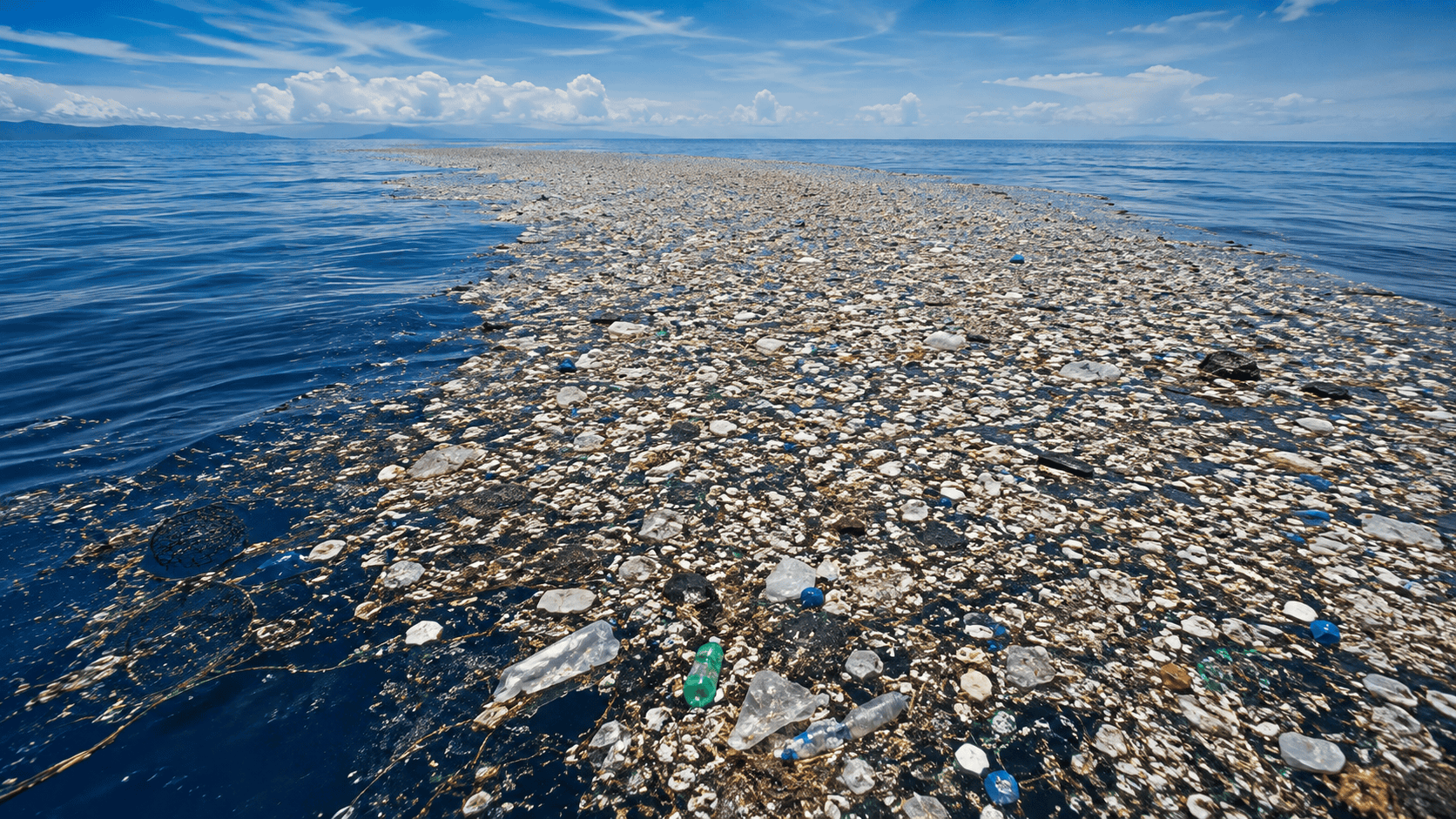
The Great Pacific Garbage Patch is one of the most recognized symbols of the global waste challenge, but it is also one of the most misunderstood. Often described as “Trash Island,” it is not a solid island of garbage that someone could walk across. Instead, it is a massive area in the North Pacific Ocean where plastic debris, fishing gear, and other waste have accumulated due to ocean currents. While the name may sound distant from everyday life, the issue connects directly to how communities manage waste, how businesses handle materials, and how each of us thinks about disposal, recycling, and long-term sustainability.
Understanding the Great Pacific Garbage Patch is not about fear or blame. It is about awareness, responsibility, and action. When communities, businesses, municipalities, and waste solution partners work together, they can reduce the amount of material that escapes into the environment and create cleaner, healthier places to live.
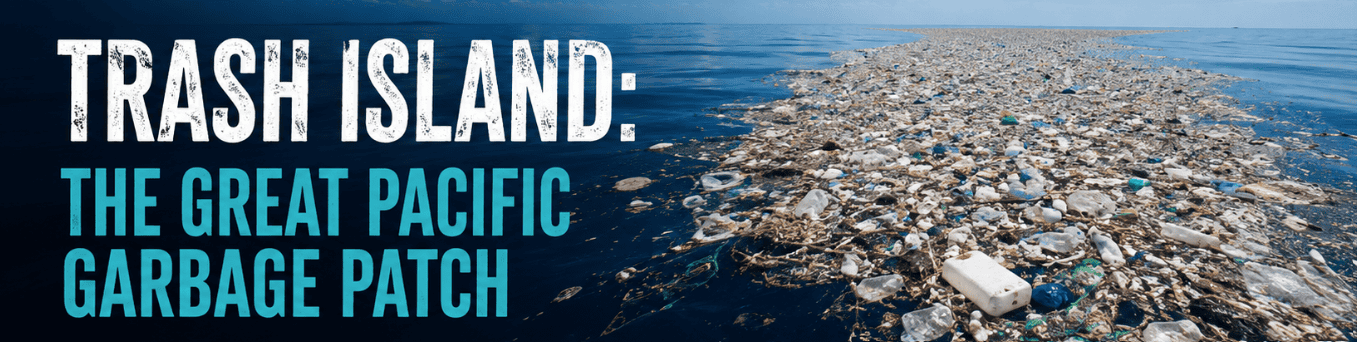
What Is the Great Pacific Garbage Patch?
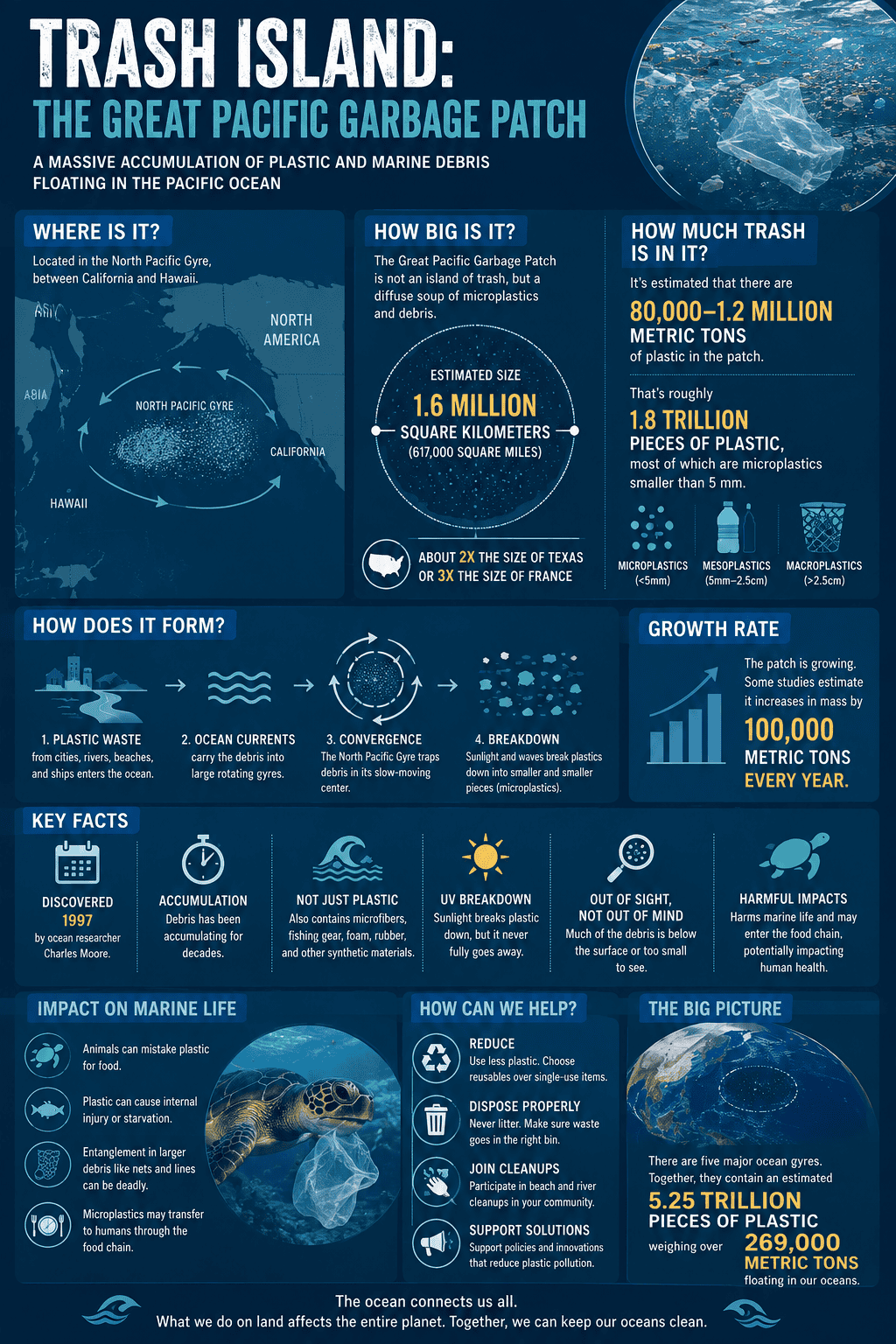
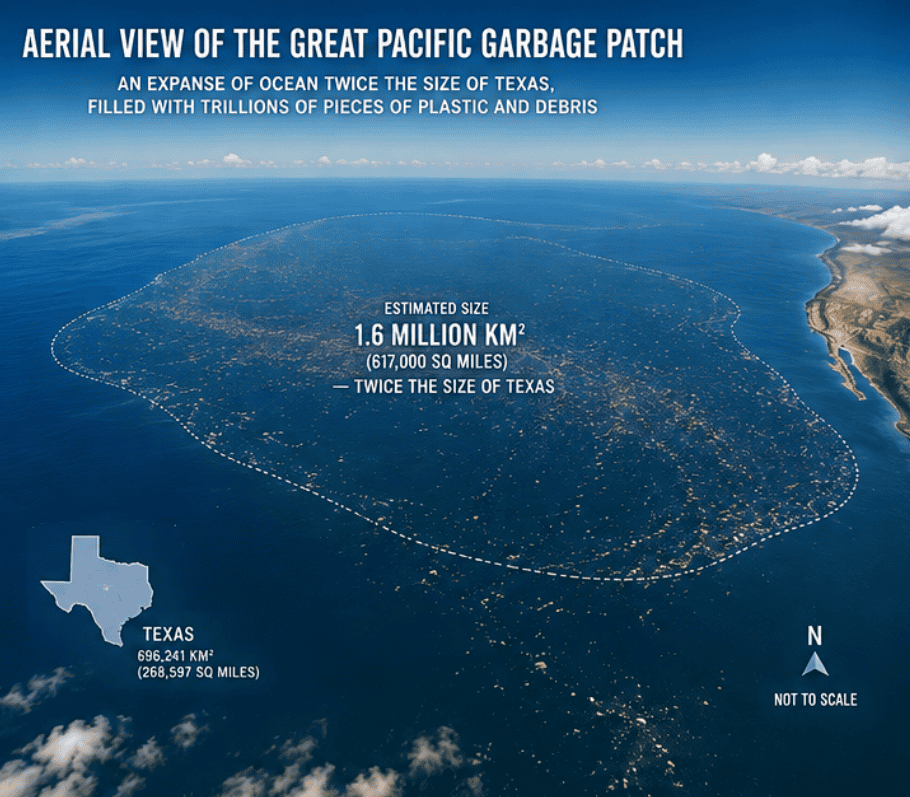
The Great Pacific Garbage Patch is a large concentration of marine debris located between Hawaii and California. It is formed by the North Pacific Subtropical Gyre, a system of rotating ocean currents that draws floating debris into a central area. Over time, plastics and other materials become trapped in this circulating system.
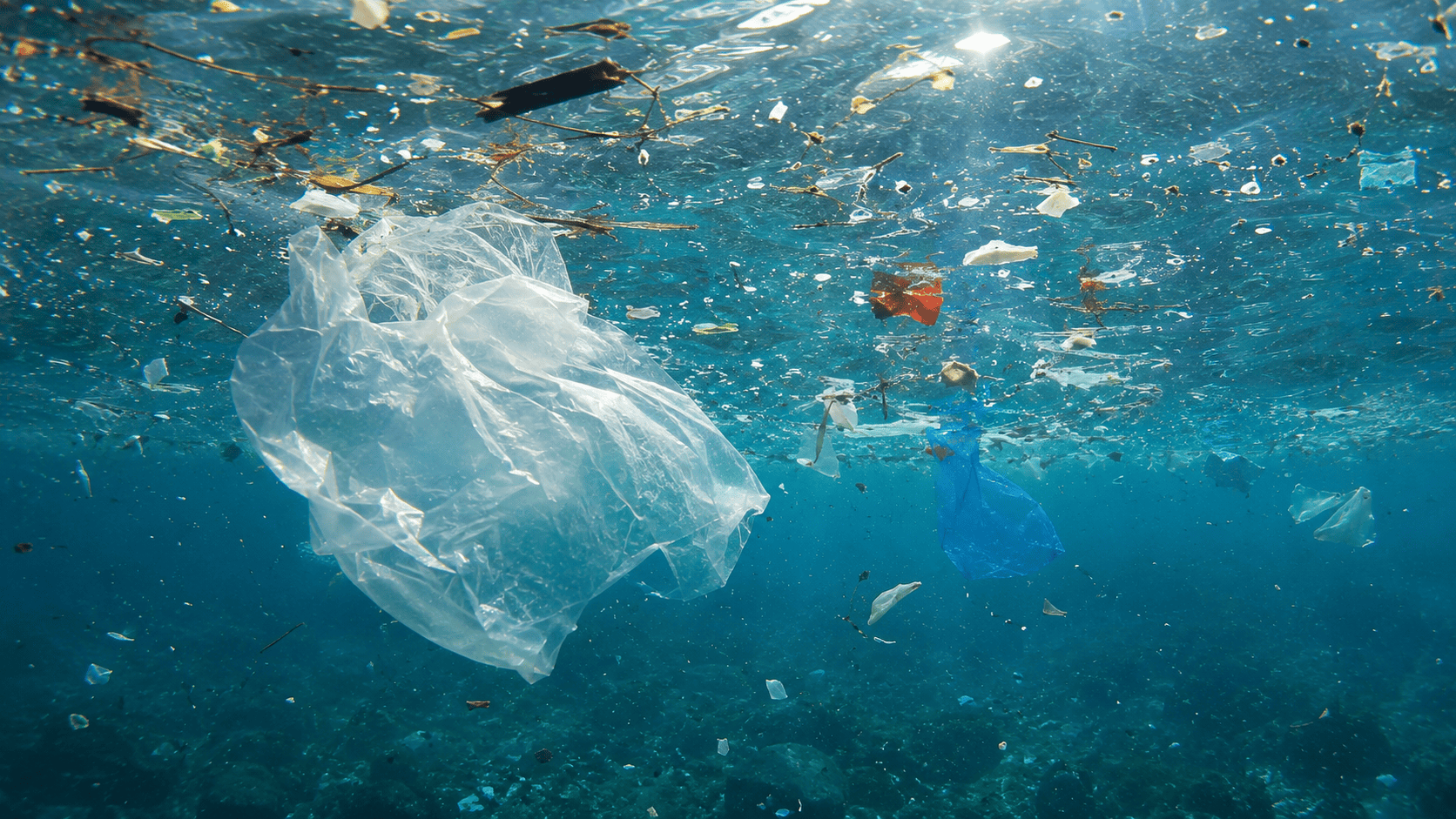
The phrase “Trash Island” can be misleading because much of the debris is not visible from above. Instead of a single floating landfill, the patch is spread across a vast area and contains countless pieces of plastic, many of which are small or broken down into microplastics. These tiny fragments can be especially difficult to remove and may be mistaken for food by marine life.
The Great Pacific Garbage Patch contains a variety of waste materials, including:
- Plastic bottles and caps
- Food packaging
- Bags and wrappers
- Abandoned fishing nets
- Ropes and lines
- Foam materials
- Microplastic particles
- Consumer and industrial plastic fragments
Although some debris comes from ships and fishing operations, much of the problem begins on land. Litter, poorly managed waste, stormwater runoff, and improperly discarded materials can eventually find their way into rivers, coastlines, and oceans.
Why Is It Called “Trash Island”?
“Trash Island” is a popular nickname because it captures attention quickly. However, it can create the wrong image. Many people imagine a dense, floating island made entirely of garbage. In reality, the Great Pacific Garbage Patch is more like a cloudy soup of debris spread across open water.
The nickname is useful because it helps people visualize the seriousness of ocean pollution. Still, it is important to understand the true nature of the issue. Because the debris is dispersed, cleanup is complicated. Large pieces can be collected more easily, but smaller plastics are difficult to detect and remove without affecting marine life.
The term also reminds us that waste does not simply disappear after it leaves a bin, dumpster, job site, business, or neighborhood. Every discarded item has a journey. When waste is not handled properly, that journey can end in places where it causes long-term harm.
How Did the Great Pacific Garbage Patch Form?
The Great Pacific Garbage Patch formed over decades as ocean currents gathered floating debris into one general region. Plastic is a major contributor because it is lightweight, durable, and slow to break down. Unlike organic materials that decompose, plastic often breaks into smaller and smaller pieces while remaining in the environment.
Several factors contribute to the growth of the patch:
- Improper waste disposal: Litter and unmanaged trash can move from streets and landfills into waterways.
- Stormwater runoff: Rain can carry waste into drains, streams, rivers, and eventually the ocean.
- Single-use plastics: Items used briefly can persist in the environment for many years.
- Fishing and marine industries: Lost or discarded nets, ropes, and equipment can remain in the water.
- Limited recycling infrastructure: When communities lack convenient or effective waste solutions, more materials may be mismanaged.
- Consumer habits: High consumption of disposable products increases the amount of waste that must be collected, processed, or recovered.
The formation of the Great Pacific Garbage Patch shows that waste management is not only a local concern. Local decisions can have regional, national, and global consequences.
Why the Great Pacific Garbage Patch Matters
The Great Pacific Garbage Patch matters because it affects ocean ecosystems, wildlife, coastlines, economies, and communities. Marine animals can become entangled in debris or mistake plastic for food. Birds, fish, turtles, and mammals may ingest plastic fragments, which can lead to injury, starvation, or exposure to harmful chemicals.
The impact is not limited to wildlife. Ocean pollution can affect fisheries, tourism, public health, and the quality of natural resources. It can also create higher cleanup costs for governments and communities.
The issue also highlights a broader truth: waste management systems matter. When communities have smarter, more reliable waste solutions, they are better equipped to reduce litter, improve recycling, support responsible disposal, and protect shared environments.
The Role of Microplastics
Microplastics are one of the most challenging aspects of the Great Pacific Garbage Patch. These are small plastic pieces that may come from broken-down larger items or from products that already contain tiny plastic particles. Once in the ocean, microplastics are extremely difficult to remove.
Because microplastics are so small, they can be consumed by marine organisms at different levels of the food chain. This creates concern about how plastics move through ecosystems and potentially reach seafood consumed by people.
Microplastics also remind us that prevention is often more effective than cleanup. Once plastic has entered the ocean and broken into tiny pieces, collecting it becomes far more difficult. The better solution is to improve waste handling before materials reach waterways.
Common Misconceptions About Trash Island
There are several myths about the Great Pacific Garbage Patch that can make the problem seem either simpler or more hopeless than it really is.
Misconception 1: It Is a Solid Island
The Great Pacific Garbage Patch is not a solid landmass. It is a large area of floating debris, much of it made up of small plastic fragments spread across the ocean.
Misconception 2: It Can Be Cleaned Up Quickly
Cleanup efforts are important, but the size, location, and nature of the debris make removal difficult. Long-term prevention is just as important as cleanup.
Misconception 3: Ocean Pollution Is Only Caused by Coastal Communities
Waste can travel long distances through rivers, storm drains, and wind. Inland communities also play an important role in preventing debris from reaching the ocean.
Misconception 4: Recycling Alone Will Solve the Problem
Recycling is valuable, but it is only one part of a complete waste strategy. Reduction, reuse, responsible disposal, education, and better infrastructure all matter.
How Smarter Waste Solutions Can Help
The Great Pacific Garbage Patch may be located far out in the ocean, but the solutions often begin in everyday places: neighborhoods, construction sites, businesses, schools, municipalities, warehouses, and public spaces. Smarter waste solutions help ensure that materials are collected, sorted, transported, and processed responsibly.
Effective waste management can help communities:
- Reduce litter and illegal dumping
- Improve recycling participation
- Support responsible disposal of bulky or hard-to-manage items
- Keep public areas cleaner and safer
- Reduce strain on local infrastructure
- Improve environmental outcomes
- Promote pride in neighborhoods and shared spaces
A strong waste strategy is not only about removing trash. It is about creating systems that are easier for people to use and better aligned with community needs.
What Businesses Can Do
Businesses have an important role to play in reducing waste and supporting healthier communities. From office buildings and retail centers to construction companies and industrial operations, every organization can make choices that reduce environmental impact.
Businesses can help by:
- Conducting waste audits to understand what materials are being discarded
- Reducing unnecessary packaging
- Providing clearly labeled bins for landfill, recycling, and specialty waste
- Training employees on proper disposal practices
- Partnering with a reliable waste solutions provider
- Scheduling regular service to prevent overflow and litter
- Reusing materials whenever practical
- Choosing vendors that prioritize responsible waste practices
Even small operational improvements can make a meaningful difference when applied consistently.
What Communities Can Do
Communities thrive when they have clean streets, safe public spaces, and reliable waste systems. Municipal leaders, property managers, residents, and service providers all contribute to better outcomes.
Communities can take practical steps such as:
- Expanding access to convenient waste and recycling services
- Hosting cleanup events
- Educating residents about proper disposal
- Reducing single-use items at public events
- Improving signage around collection areas
- Encouraging businesses to follow responsible waste practices
- Addressing illegal dumping quickly
- Supporting local partnerships focused on cleanliness and sustainability
The goal is not perfection. The goal is progress. Cleaner communities are built through consistent action, thoughtful planning, and dependable service.
Prevention Is More Powerful Than Cleanup
Ocean cleanup projects receive a lot of attention, and they are an important part of addressing existing pollution. However, prevention remains one of the most effective tools available. Every piece of waste that is properly collected, recycled, reused, or responsibly disposed of is one less piece that can enter the environment.
Prevention begins with better systems. When waste services are efficient, accessible, and customized to community needs, people are more likely to use them correctly. When businesses have the right containers, pickup schedules, and disposal options, they are better positioned to keep materials contained. When communities invest in education and infrastructure, they create long-term environmental value.
Turning Awareness Into Action
The Great Pacific Garbage Patch can feel overwhelming, but it also offers an opportunity to rethink how waste is managed. The issue encourages communities and businesses to ask better questions:
- Are our waste systems easy to use?
- Are we recycling what we can?
- Are collection areas clean and well-maintained?
- Are we preventing overflow and windblown debris?
- Are we working with partners who understand our needs?
- Are we taking steps to reduce waste before it becomes a problem?
These questions can lead to smarter decisions and stronger outcomes. Waste management is not just a back-end service. It is part of a community’s health, appearance, efficiency, and future.
FAQ
What is the Great Pacific Garbage Patch?
The Great Pacific Garbage Patch is a large area in the North Pacific Ocean where floating debris, especially plastic, has accumulated due to rotating ocean currents.
Is the Great Pacific Garbage Patch really an island?
No. It is not a solid island. It is a widespread area of floating debris and microplastics, much of which is difficult to see from above.
Why is it called Trash Island?
It is called Trash Island because the nickname helps describe the large amount of waste collected in the ocean. However, the term is not scientifically precise.
Where does the trash come from?
Trash can come from land-based litter, stormwater runoff, rivers, coastal activity, ships, fishing operations, and poorly managed waste systems.
Why is plastic such a big problem?
Plastic lasts a long time and often breaks into smaller pieces instead of fully disappearing. These small fragments can harm wildlife and are difficult to remove.
Can the Great Pacific Garbage Patch be cleaned up?
Some larger debris can be collected, and cleanup efforts are underway. However, prevention is essential because removing small plastics from the ocean is extremely challenging.
How can businesses help reduce ocean waste?
Businesses can reduce packaging, improve recycling, manage waste containers properly, train employees, and work with dependable waste solution providers.
How can communities make a difference?
Communities can improve waste collection, reduce litter, support cleanup events, educate residents, and invest in smarter waste infrastructure.
Does inland waste affect the ocean?
Yes. Waste from inland areas can travel through storm drains, streams, and rivers before reaching the ocean.
What is the most effective solution?
The most effective approach combines prevention, responsible disposal, recycling, education, cleanup, and smarter waste management systems.
Partner With Copia Resources for Smarter Waste Solutions
The Great Pacific Garbage Patch reminds us that waste choices matter. Cleaner communities, healthier environments, and stronger local systems all begin with responsible action. Whether you manage a business, property, municipality, construction project, or community organization, the right waste partner can help you improve efficiency, reduce mess, and support long-term sustainability.
We provide smarter waste solutions for thriving communities. With a focus on reliable service, practical support, and community-centered results, we help clients take a better approach to waste management.
Ready to make waste solutions simpler, smarter, and more effective? Request a quote today and discover the Copia Resources difference.