


Adopting a zero-waste lifestyle does not require perfection, a total home makeover, or an expensive shopping list. Instead, it begins with simple, practical habits that help households reduce what they throw away each day. From food packaging and disposable products to forgotten leftovers and single-use plastics, much of the waste generated at home can be
READ MOREBlog
Food Waste Statistics 2026: How Much America Throws Away
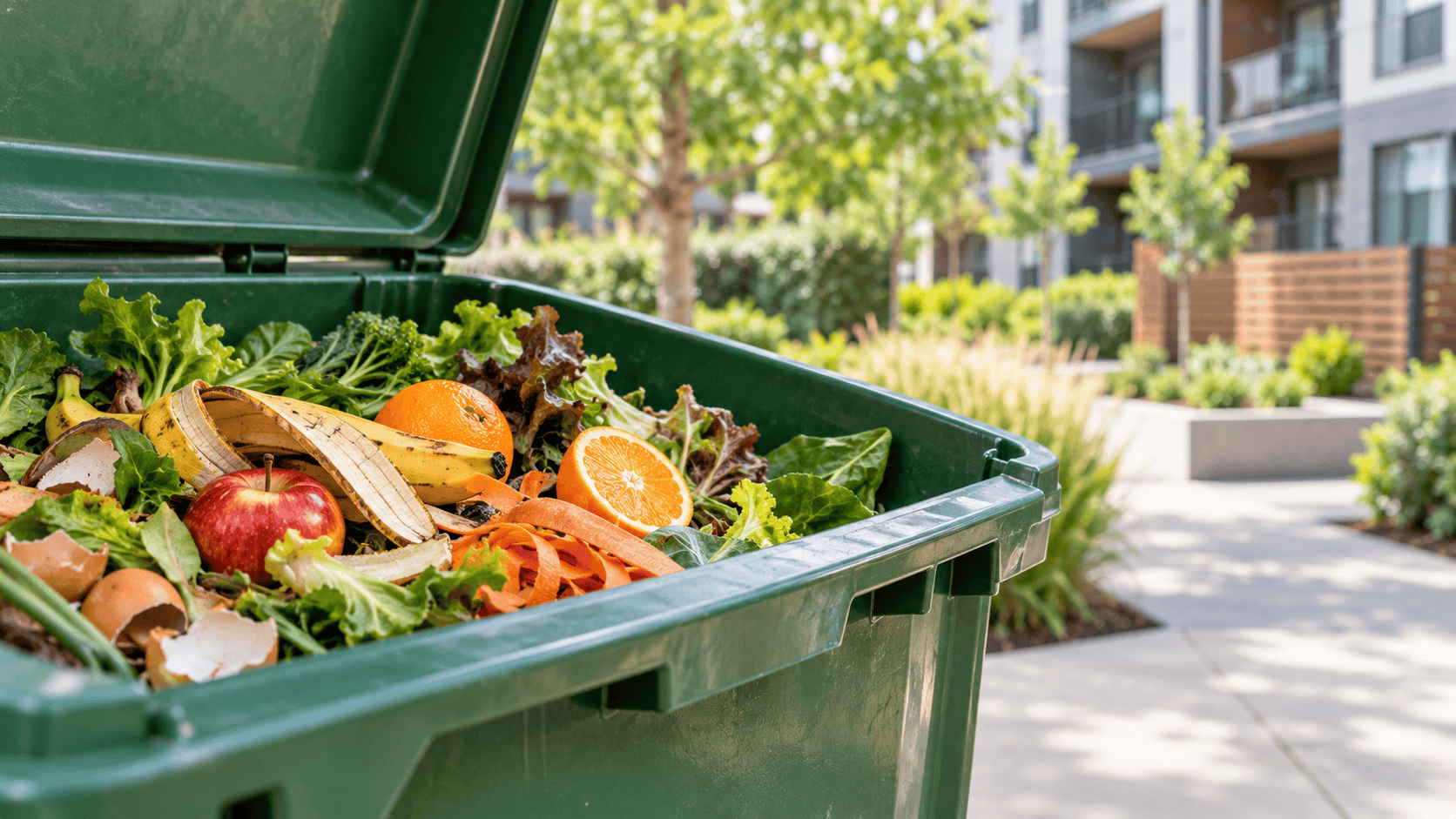
The United States threw away roughly 70 million tons of surplus food in 2024, worth about $380 billion, and nearly all of it could have been prevented, eaten, or diverted. For property owners and managers, food waste is not an abstract environmental issue: it is the source of the odor, pests, and overflow complaints that
READ MOREProperty Management Industry Statistics 2026: Costs, Margins, and Trends

The U.S. apartment industry has entered what benchmarking analysts now call a cost-efficiency phase: rent growth has flattened while operating expenses climbed to about $8,657 per unit in 2024, and owners keep just 7 cents of every rent dollar as profit. In that math, every controllable line item matters, and waste is one of the
READ MORERecycling Statistics 2026: U.S. Rates, Materials, and Contamination Data
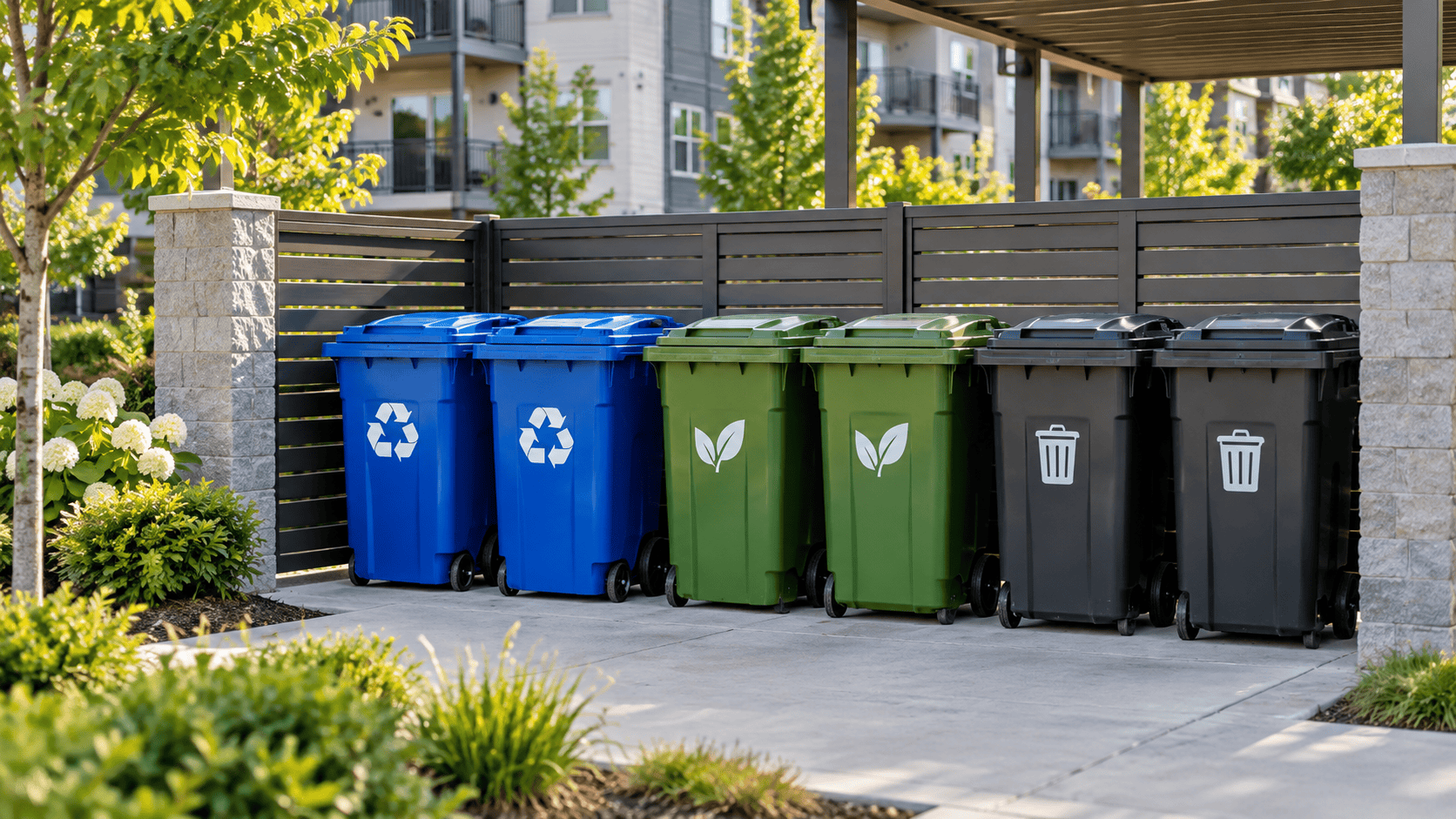
The United States recycled and composted just 32.1 percent of its municipal solid waste in 2018, and that rate had actually fallen from 34.7 percent three years earlier. Behind the single national number is a wide gap between materials that get recycled almost every time and materials that almost never do, a gap that decides
READ MOREWaste Management Statistics 2026: Industry, Cost, and Volume Data
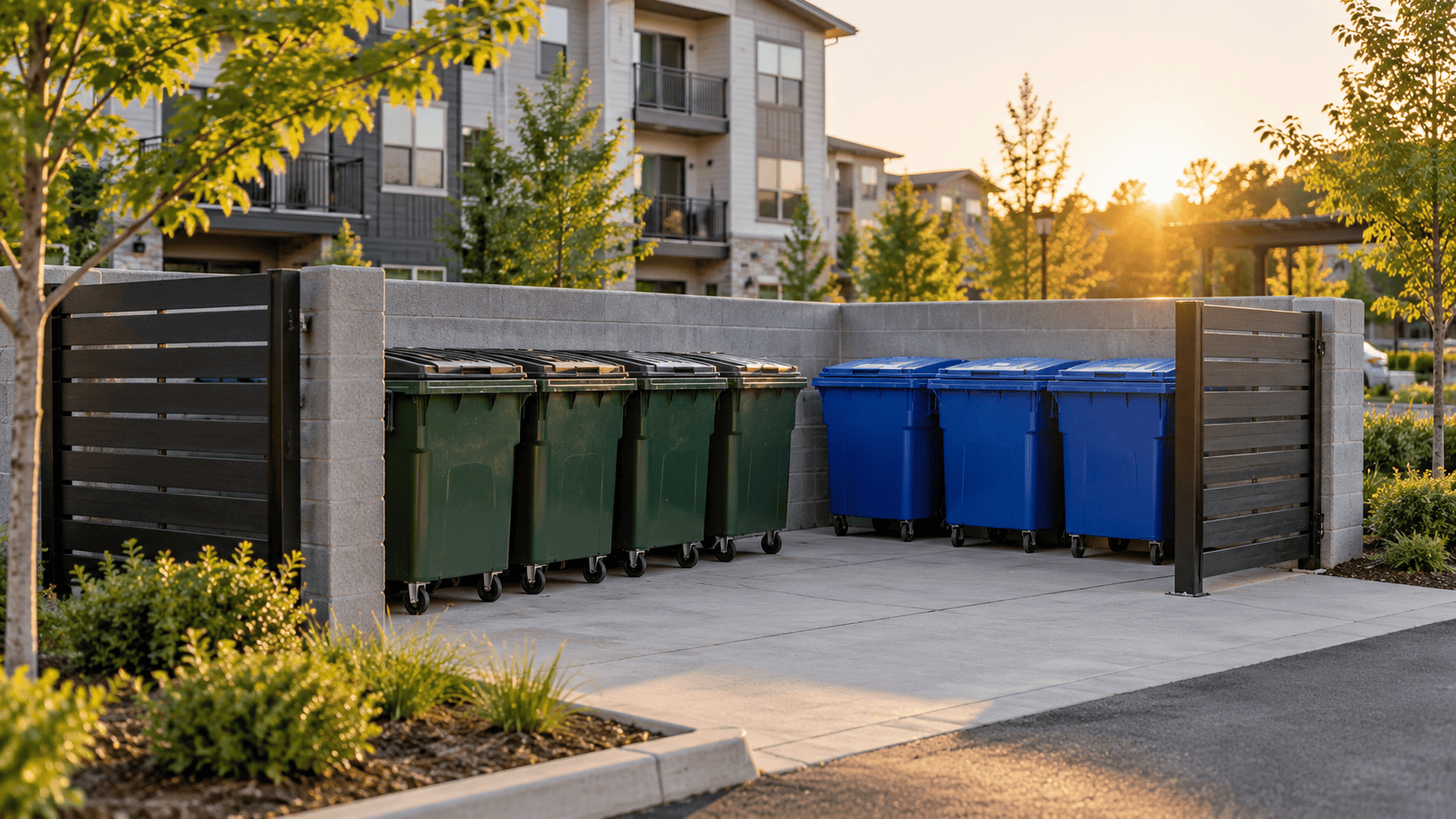
The United States generated 292.4 million tons of municipal solid waste in 2018, about 4.9 pounds per person every day, and roughly half of it went straight to a landfill. For the property managers and owners who pay the bills, those national numbers translate into real overage charges, contamination fees, and curb appeal problems on
READ MORE